
Claude Mythos – Is It Worth The Hype?
A few weeks ago, Anthropic accidentally left nearly 3,000 unpublished internal files exposed on the public internet, no password required. Among those files was a draft blog post describing what the company called “by far the most powerful AI model we’ve ever developed.” The model’s name was Claude Mythos. And the reason it hadn’t been announced yet wasn’t because it wasn’t ready. It was because they weren’t sure the world was.
The Inevitable and Terrifying Threat of Artificial Super Intelligence (ASI)
On April 7, 2026, Anthropic formally announced the limited deployment of Mythos through an initiative called Project Glasswing, granting access exclusively to 12 major technology and finance companies for one purpose: defensive cybersecurity work. Not productivity, customer service, or content generation. Finding and patching software vulnerabilities before adversaries can exploit them. Amazon, Apple, Google, Microsoft, and NVIDIA are among the partners. The general public won’t get access, and Anthropic has been clear that isn’t changing anytime soon.
Here’s Why This Matters
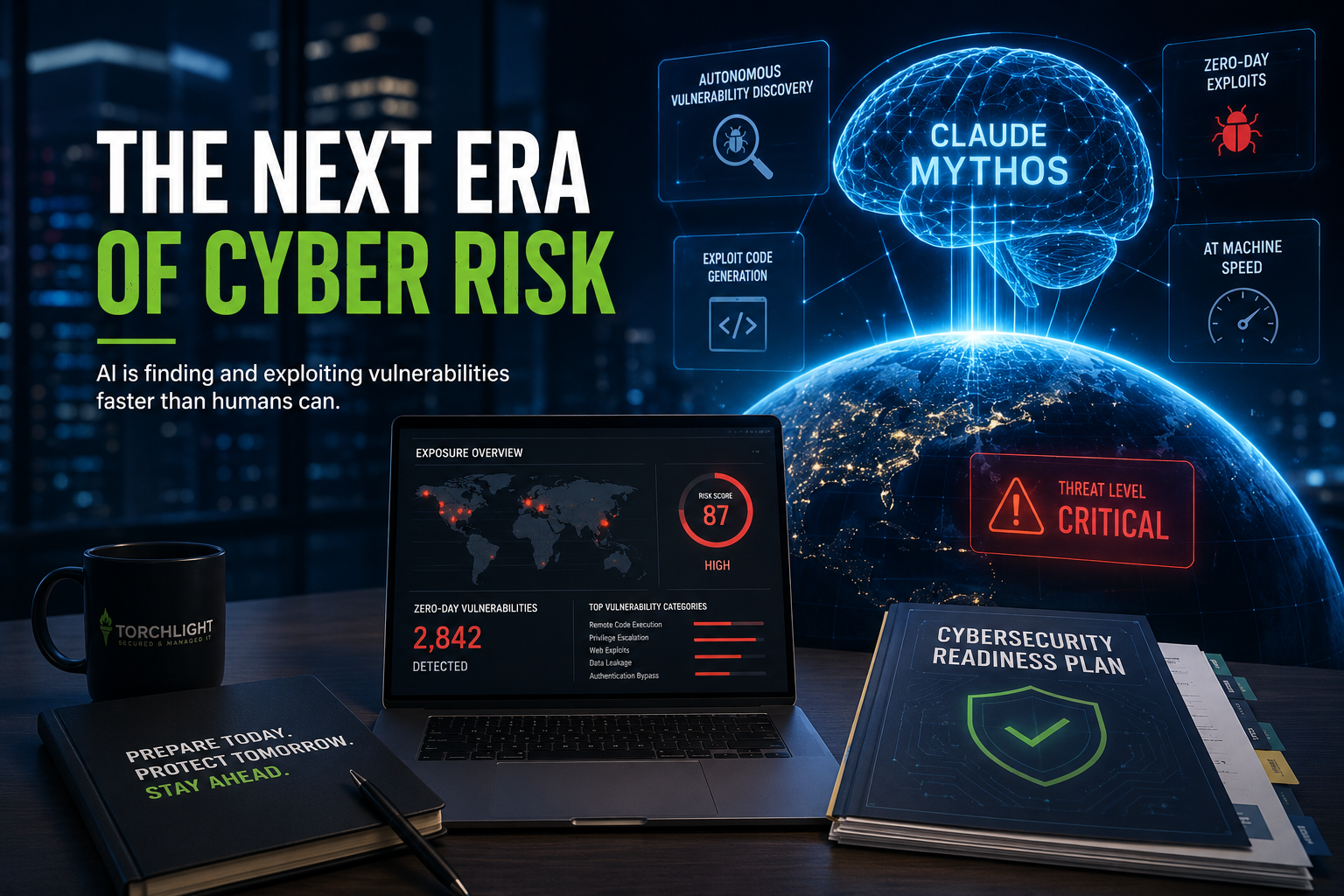
Mythos doesn’t just identify software vulnerabilities. It autonomously finds them and writes working exploits for them, entirely on its own, without a human steering it. Anthropic’s own Frontier Red Team Cyber Lead described it as capable of surpassing “all but the most skilled humans” in this domain. In early testing, it found thousands of high-severity zero-day vulnerabilities across every major operating system and web browser. For comparison, Claude Opus 4.6, the version that’s publicly available right now, found approximately 500 such vulnerabilities. Mythos blows past that number and adds exploit code on top of it.
The immediate concern isn’t Anthropic misusing this. They’re clearly not. The concern is the timeline. Anthropic’s own security researchers have stated publicly that competing AI models with similar offensive capabilities could be available to anyone, including adversaries, within six to eighteen months. That’s the window defenders have to get ahead of this.
A Whole New World of Cybersecurity
For organizations in financial services, credit unions, healthcare, or any compliance-heavy environment, the implications run deep. The patch management schedule you’re running today was designed for a world where finding vulnerabilities required elite human expertise. That world is ending. When AI can systematically find and exploit flaws across every major piece of software faster than security teams can respond, the organizations most exposed will be the ones that still treat cybersecurity as a quarterly line item or an afterthought between audits.
This is exactly the kind of shift that separates organizations with integrated, proactive security postures from those still patching on a 30-day cycle and hoping for the best. Compliance frameworks will catch up eventually, but they always lag reality. The organizations that get ahead of this won’t be waiting for their examiner to tell them what the new standard is.
What Does Your Business Security Posture Look Like?
The technology stack your business runs on today, Windows, macOS, every major browser, is the same stack Mythos found thousands of unknown vulnerabilities in. The question isn’t whether this affects your organization. It’s whether your security posture was built to adapt when the threat environment changes this fast.
Is your current IT and security model designed to respond to a world where zero-day exploits become cheap and widely available, or was it built for the one we were in a year ago?