

EDR, ITDR & DMARC Security Services.
Modern attacks do not have one front door. They can start on a computer, through a compromised identity, or with email that abuses the trust attached to your domain.
TorchLight helps organizations protect all three layers while connecting monitoring, investigation, containment, and response into the broader security operation.
What Do These Actually Mean?
Cybersecurity has accumulated a lot of acronyms over the years. It is more important than ever to understand what each layer is supposed to protect.
EDR, ITDR, and DMARC solve three different problems. One watches what’s happening on your computers. One watches who is using your accounts. One helps protect the trust attached to your email domain.
The security system watching your computers.
EDR watches laptops, desktops, and servers for behavior that shouldn’t be happening. If malicious software runs, ransomware begins changing files, or an attacker starts performing suspicious actions, EDR helps detect and contain that activity.
The fraud monitor watching your logins.
Attackers do not always break into a system. Sometimes they already have a valid password, stolen session, or compromised account. ITDR watches authentication and identity activity for signs that a legitimate account may be under someone else’s control.
The identity check for email claiming to be you.
DMARC works with SPF and DKIM to help mail systems verify whether email claiming to come from your domain was actually sent by an authorized system. It also provides reporting that helps your organization understand how its domain is being used.
Important: DMARC helps stop unauthorized use of your actual domain. It does not prevent every phishing email or every look-alike domain.
Three Different Problems. Three Different Signals.
Security tools work best when each one has a clear job. EDR watches what is happening on the device. ITDR watches what is happening around the identity. DMARC helps establish whether email claiming to come from your domain can be trusted.
Those are different attack surfaces, and protecting one does not automatically protect the others. A secure laptop does not guarantee a secure Microsoft 365 account. A protected identity does not stop someone from attempting to misuse the trust attached to your email domain.
The objective is visibility across three different places that attackers continuously exploit trust.
Endpoint Activity
EDR: Device VisibilityEDR watches processes, files, applications, and behavior occurring on protected laptops, desktops, and servers.
Malicious Behavior
EDR: Detection & ResponseSuspicious execution, ransomware behavior, unusual processes, or attacker activity can become visible even when traditional antivirus can’t tell the whole story.
Identity Activity
ITDR: Account VisibilityITDR watches authentication, account behavior, permissions, and other identity activity for signs that trusted access is being abused.
Account Takeover
ITDR: Compromised CredentialsA login can technically succeed and still be dangerous. ITDR helps identify behavior that may indicate a stolen password, hijacked session, or compromised identity.
Domain Authentication
DMARC: Email TrustDMARC works with SPF and DKIM to help mail systems determine whether a message claiming to come from your domain was sent by an authorized system.
Policy & Reporting
DMARC: Visibility & EnforcementReporting helps reveal how your domain is being used, while published policy tells receiving systems how authenticated and unauthenticated mail should be handled.
One Attack Can Cross All Three Layers.
Real incidents rarely stay neatly inside one security category. An attack can begin with email, move into a trusted identity, reach a device, and then require coordinated human response.
Layered protection matters because attackers change tactics as they move.
No single tool sees everything. DMARC, ITDR, and EDR provide visibility at different stages of an attack, while monitoring and response connect those signals into something your organization can act on.
An email claims to come from your organization.
The attacker attempts to abuse the trust customers, vendors, or employees place in messages carrying your domain.
A password or active session becomes compromised.
The attacker may now be using completely valid credentials. From the application’s perspective, the authentication itself may appear successful.
Suspicious activity begins on a computer.
Malware executes, a process behaves strangely, files begin changing, or an attacker starts taking actions from a protected workstation or server.
Someone has to connect the signals and act.
Technology can surface evidence. The security operation still needs to investigate what happened, determine scope, contain the threat, and coordinate the next response.
Better security is not about expecting one product to stop every attack. It is about seeing enough of the attack to recognize what is happening and respond before it becomes larger.
Security Controls Still Need an Owner.
Buying another security tool is easy. Making sure it is deployed correctly, watching what it discovers, separating real threats from noise, and responding when something actually happens is the harder part.
TorchLight brings endpoint, identity, and domain protection into the broader managed security operation so the controls do not simply exist. They are actively managed.
Where These Layers Matter Most.
The need becomes especially clear when users, applications, devices, and sensitive information extend beyond a traditional office perimeter.
Microsoft 365 Environments
Protecting the laptop does not automatically protect the employee’s cloud identity. Identity monitoring adds visibility around the accounts used to reach email, files, Teams, SharePoint, and other cloud resources.
Device security and identity security are separate layers.Remote & Hybrid Workforces
Employees can authenticate and work from homes, airports, hotels, branch locations, and personal networks. Endpoint and identity visibility has to travel with them.
Security cannot depend on someone being inside the office.Sensitive & Regulated Information
Organizations handling financial, member, client, health, education, or other sensitive information need controls that are deliberate, monitored, and consistently managed.
Security controls support the broader compliance and risk-management program.Organizations Whose Email Carries Trust
Customers, members, vendors, employees, and business partners routinely act on instructions delivered through email. Protecting the integrity of your actual domain helps protect that trust.
This is where disciplined DMARC management becomes especially important.Security Intelligence. See the Attacks Behind the Controls.
Endpoint, identity, and email-domain security make more sense when you can see the real techniques attackers use to work around traditional defenses.
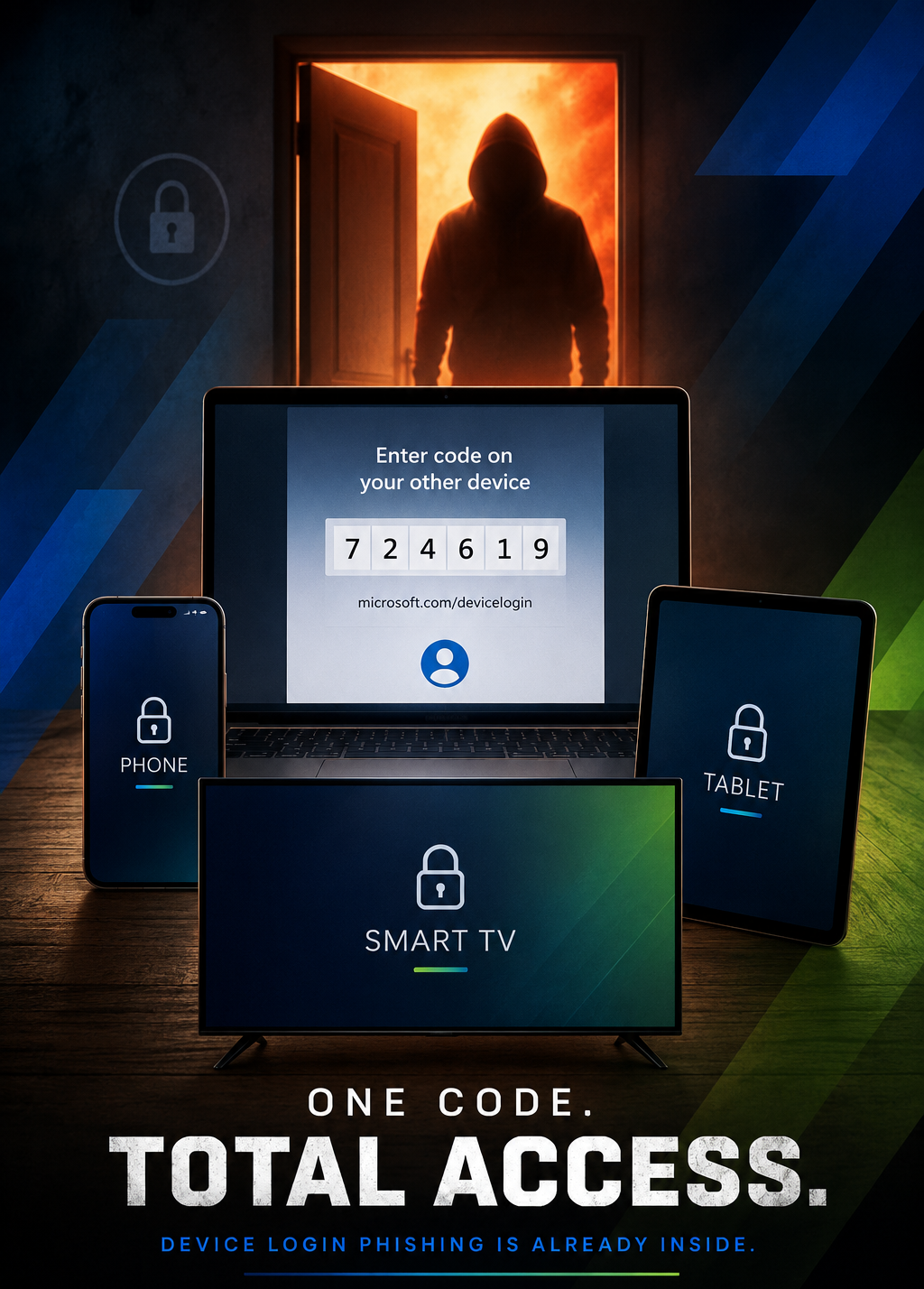
Why Device Logins Just Became a Liability
Device-code phishing demonstrates why a successful login is not always a trustworthy login. See how attackers can obtain legitimate access without stealing a traditional password.
Read the analysis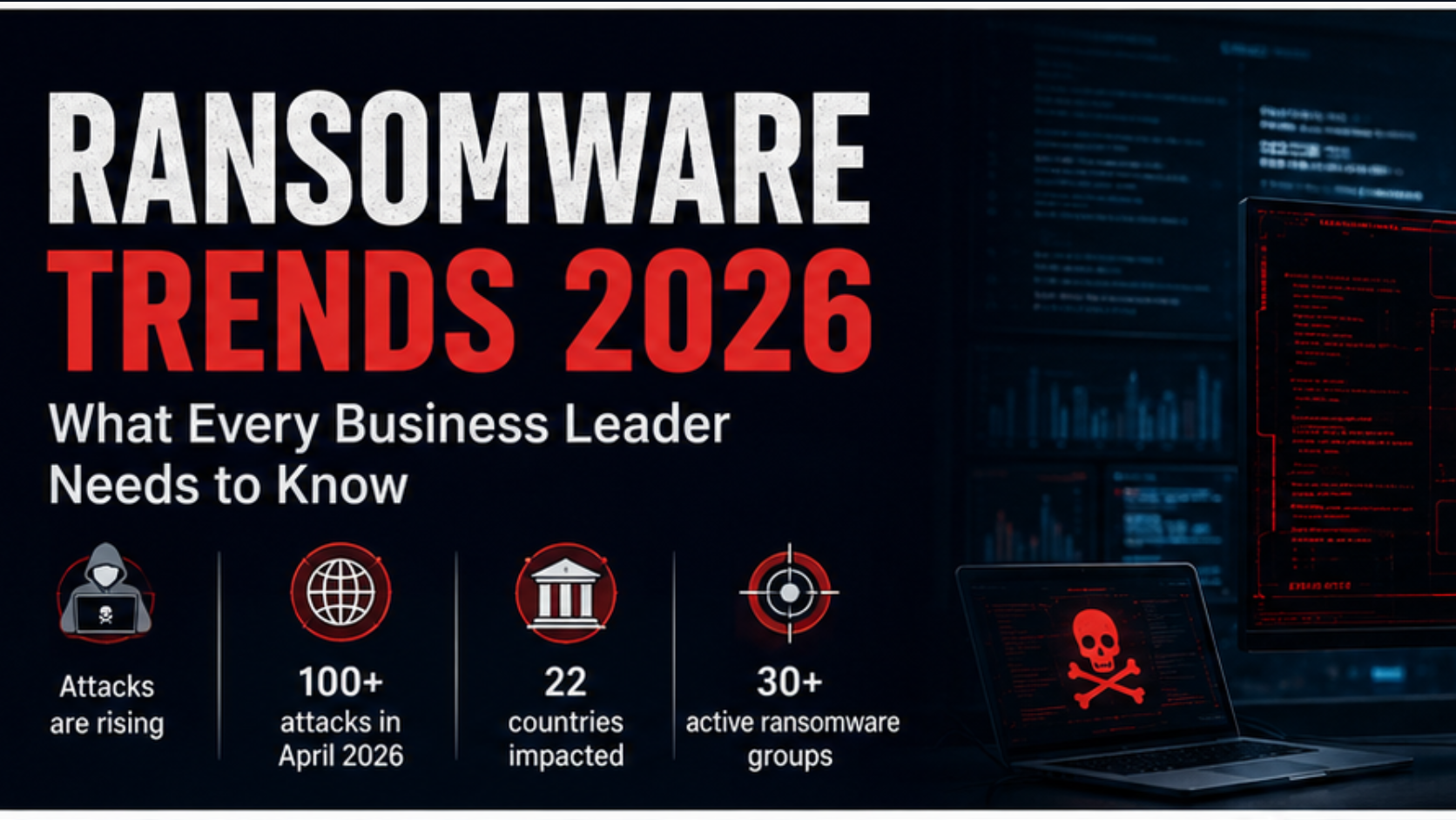
Current Trends in Ransomware 2026
Modern ransomware crews increasingly target credentials, disable endpoint defenses, and steal data before encryption. This is why endpoint detection cannot operate as an isolated control.
Read the analysis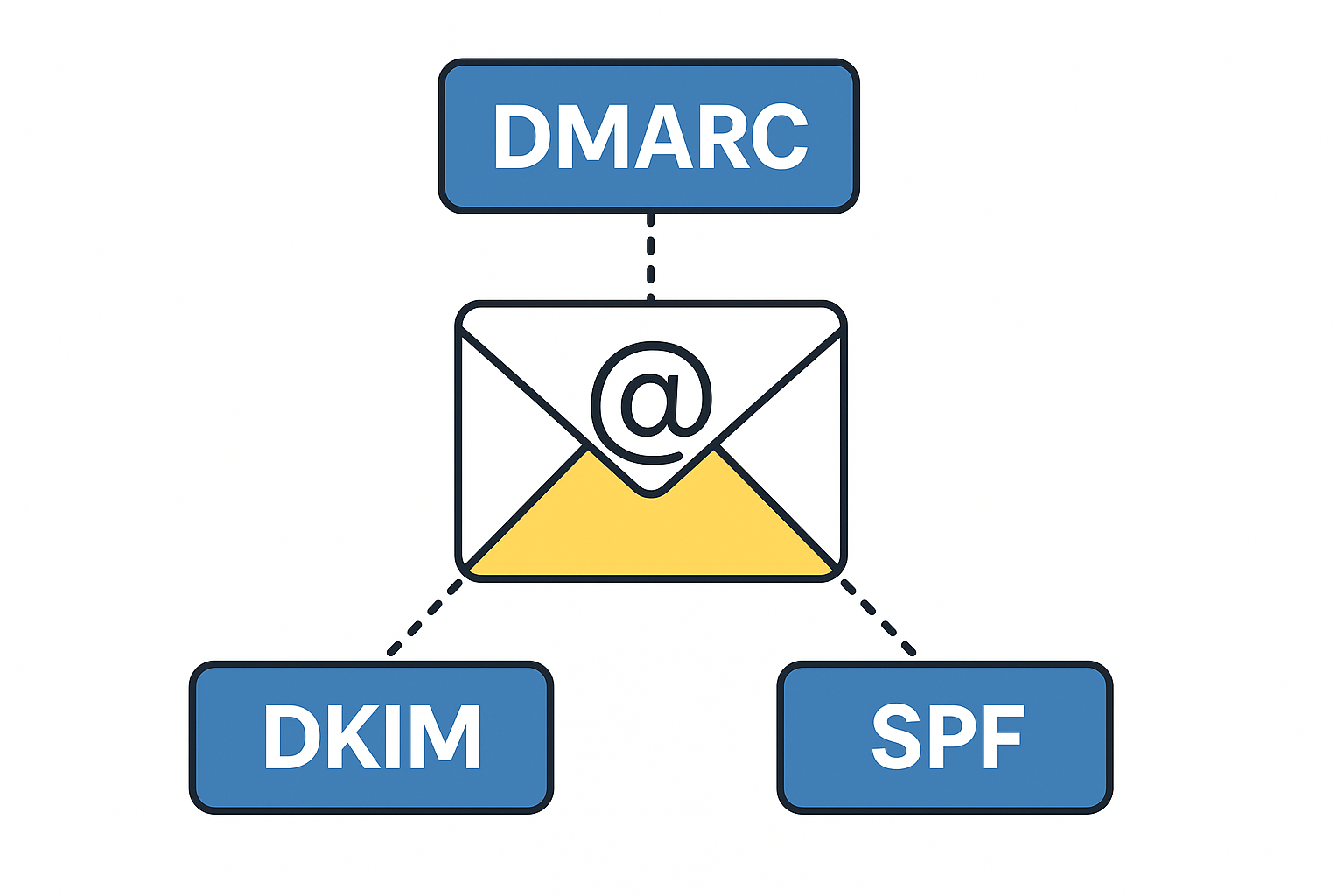
What Is DMARC, DKIM, SPF & Why Do I Want to Know?
A practical explanation of the three authentication mechanisms behind modern domain protection and how they work together to help receiving systems evaluate email claiming to come from your business.
Read the explainerThree Layers. One Security Operation.
Protection is stronger when device, identity, and domain activity are managed as parts of the same security program.
Endpoint Visibility
Detect suspicious behavior on laptops, desktops, and servers and support faster investigation when activity becomes abnormal.
Identity Visibility
Watch authentication and account activity for indications that trusted access or a legitimate identity may be compromised.
Domain Trust
Help receiving mail systems distinguish authorized use of your domain while gaining visibility into how that domain is being used.
Know Where Your Security Coverage Stops.
You do not need another acronym simply because the industry says you should have one. You need to know which attack surfaces are already protected, where visibility is missing, and who is responsible for acting when something happens.
TorchLight can review your endpoint, identity, and email-domain security and help determine where EDR, ITDR, DMARC, or broader managed security coverage fits.
Start the Conversation
Give us a little context about what you are protecting or where you want better visibility. We’ll connect you with the right person at TorchLight.