
AI Workflow Automation Services for Regulated Businesses
Design, document, and automate repetitive business processes with AI workflow automation services built for secure, scalable, and compliance-driven operations.
AI Workflow Automation and Business Process Automation Services
From manual, error-prone processes to intelligent automation solutions that protect compliance and drive consistent growth.
Our workflow automation services support organizations looking to streamline processes, reduce administrative overhead, and build more reliable operations through intelligent automation services and AI business automation.
How AI Workflow Automation Services Improve Business Operations
We help organizations move beyond disconnected scripts and one-off automations into scalable workflow automation services that improve efficiency, reduce operational friction, and support long-term business growth.
Process Discovery and Design
We map your current workflows, identify bottlenecks, and design a future state that reduces handoffs, errors, and rework while aligning with your controls.
Workflow Automation Integration Services
We connect the tools you already own, so data moves cleanly between systems and the right people are notified at the right time.
Copilot and M365 Enablement
We help teams adopt Microsoft Copilot, Power Automate, and AI business automation tools with governance, prompts, and workflow structures
Human-in-the-Loop Guardrails
Our intelligent automation services include approval layers, reviews, and governance controls, so AI workflow automation improves speed without any risks.
Monitoring, Metrics, and Improvement
Track automation performance through dashboards, reporting, and process metrics that show where workflow automation services are improving productivity
Compliance and Risk Aligned Automation
For regulated organizations, we align AI workflow automation services with compliance requirements, documentation standards, security controls, and data governance expectations.
Why Choose TorchLight as Your AI Workflow Automation Services Provider?
At TorchLight, we believe intelligent automation solutions should make your business more predictable, not more chaotic. Unlike firms that drop tools into your environment and move on, we start with the systems that run your organization. Our AI workflow automation consulting approach identifies where automation genuinely reduces noise, eliminates manual rework, and lowers operational risk, before a single workflow gets built.
Our team brings together IT, cybersecurity, and AI business process automation expertise, so every workflow we build respects role-based access controls, audit trail requirements, and examiner expectations from day one. For credit unions, banks, healthcare organizations, and other regulated businesses, that combination is rare. Most automation firms don’t think in terms of compliance controls. We do, because our roots are in managed IT and security services for regulated industries.
The result is a documented process automation roadmap, compliant workflow designs, and intelligent business process automation that your team can actually own. You gain operational capacity, process consistency, and the confidence that critical workflows run the same way every time, whether key staff are in the office or not. That’s what a real AI workflow automation services engagement looks like: not just technology delivered, but a more resilient operating model built.
Frequently Asked Questions
What are AI workflow automation services?
AI workflow automation services use artificial intelligence and automation tools to streamline repetitive business processes, reduce manual work, improve accuracy, and increase operational efficiency. These services help organizations automate approvals, reporting, communication workflows, document handling, and other operational tasks across departments.
How does AI workflow automation work for regulated industries like banking and healthcare?
Unlike standard automation, business process automation services for regulated industries must respect role-based access controls, maintain complete audit trails, and align with documentation standards that hold up under regulatory examination. TorchLight builds these compliance controls into every workflow from day one, so efficiency gains never come at the cost of a compliance gap.
What is the difference between business process automation and AI workflow automation?
Business process automation focuses on automating repetitive operational tasks and workflows, while AI workflow automation adds intelligence through decision-making, content generation, data analysis, and predictive actions. Combining both creates more adaptive and efficient workflow automation solutions.
Do you offer AI automation consulting before we commit to a full build?
Yes. We offer an Automation Assessment as a starting point. Our AI automation consulting engagement covers your current workflows, the biggest automation opportunities, the right tools for your environment, and a realistic roadmap – before any build work begins.
Can you help implement Microsoft Power Automate and Copilot for our organization?
Yes. TorchLight provides Microsoft Power Automate implementation and Microsoft Copilot enablement services aligned to your governance framework, security controls, and Microsoft 365 environment. For organizations in regulated industries, we also ensure every deployment meets your data governance and compliance requirements before go-live.
Are AI workflow automation services secure for regulated industries?
Yes. Our AI workflow automation services are designed with security, governance, and compliance in mind. We implement role-based access controls, approval workflows, audit logging, and process documentation to support regulated organizations in industries such as finance, healthcare, and professional services.
What does intelligent workflow automation look like in practice?
Intelligent workflow automation means your systems don’t just move data, they make context-aware decisions. For example: routing an approval based on dollar threshold, flagging an anomaly for human review, or triggering a compliance documentation step automatically when a process milestone is reached.
Is TorchLight an AI automation services provider or a traditional IT firm?
Both. As an AI automation services provider with deep roots in IT and cybersecurity, TorchLight brings something most pure automation firms can’t: the ability to design automations that respect your security controls, compliance requirements, and IT infrastructure from day one.
Can you help with enterprise AI automation consulting for multi-department rollouts?
Yes. Our enterprise AI automation consulting engagements are designed for organizations rolling out automation across multiple teams or departments. We work with leadership, IT, and operations together to ensure the rollout is structured, documented, and aligned with your overall governance framework.
What is human-in-the-loop AI automation and why does it matter for compliance?
Human-in-the-loop AI automation builds defined approval checkpoints into automated workflows so your team stays accountable for outcomes while AI handles the surrounding work. For credit unions, banks, and healthcare organizations, this design approach satisfies examiner expectations and maintains the accountability standards required in regulated environments.
Latest Insights & Blog
Expert insights on cybersecurity, compliance, and IT strategy.
-

Is Your Small Organization Nearing a Cybersecurity Breaking Point?
Small businesses are facing a cybersecurity breaking point – strained IT teams, rising threats, and tight budgets. TorchLight delivers scalable, enterprise-grade protection tailored to your size and cost constraints.
-

Why Security-First Design Starts With Simplicity – Not More Controls
When cybersecurity becomes a barrier, people work around it – and that’s where risk begins. At TorchLight, we design security that aligns with your business, supports your users, and satisfies auditors – without slowing you down.
-
Why Small Businesses Are the New Cyber Targets – And How to Stay Protected
Cybercriminals target the vulnerable, not just the big guys. For small businesses in regulated industries, the risks are real – compliance gaps, lost trust, even financial collapse. At TorchLight, we make enterprise-grade cybersecurity practical and personal, with strategy-led protection built for your business.
-
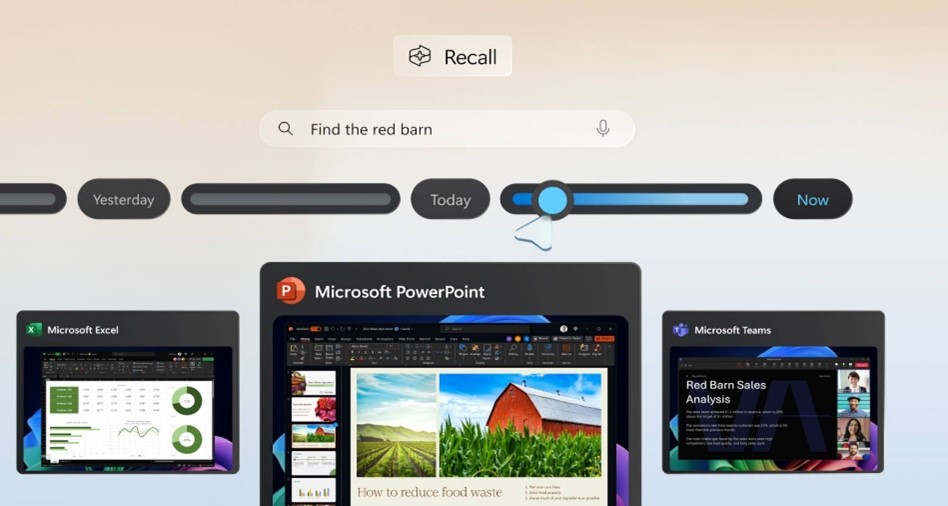
Windows Recall: What You Need to Know – And Why It Matters
Microsoft’s upcoming Recall feature for Windows 11 Copilot+ PCs is shaping up to be one of the most talked-about developments in workplace technology this year. Designed to boost productivity by taking periodic snapshots of user activity for easy, searchable recall, the feature promises convenience – but also raises serious privacy and security concerns.
-

Strengthening Your Security Posture with EDR & ITDR
Cyber attackers aren’t just targeting networks anymore – they’re going after identities and endpoints at scale. In fact, over 80% of breaches involve compromised credentials or exploited devices. In this month’s service spotlight, we break down two critical layers of modern cyber defense – Endpoint Detection and Response (EDR) and Identity Threat Detection and Response…
-

Washington State Expands Sales Tax to IT Services
A new Washington State law – Senate Bill 5814 – goes into effect on October 1, 2025, and it will significantly impact customers located in Washington who receive IT, digital, and tech-related services. This change will apply regardless of where the service provider is located, and may affect how your organization is billed by vendors…
-
The Windows 10 to Windows 11 Transition
Another large milestone looms in the Microsoft ecosystem as Windows 10 is (mostly) officially sunsetted on October 14, 2025. Meaning, no new security updates will be produced by Microsoft, unless you purchase an ESU/Extended Security Update license for up to three years that will allow Windows 10 to continue receiving security updates on a regular…
-
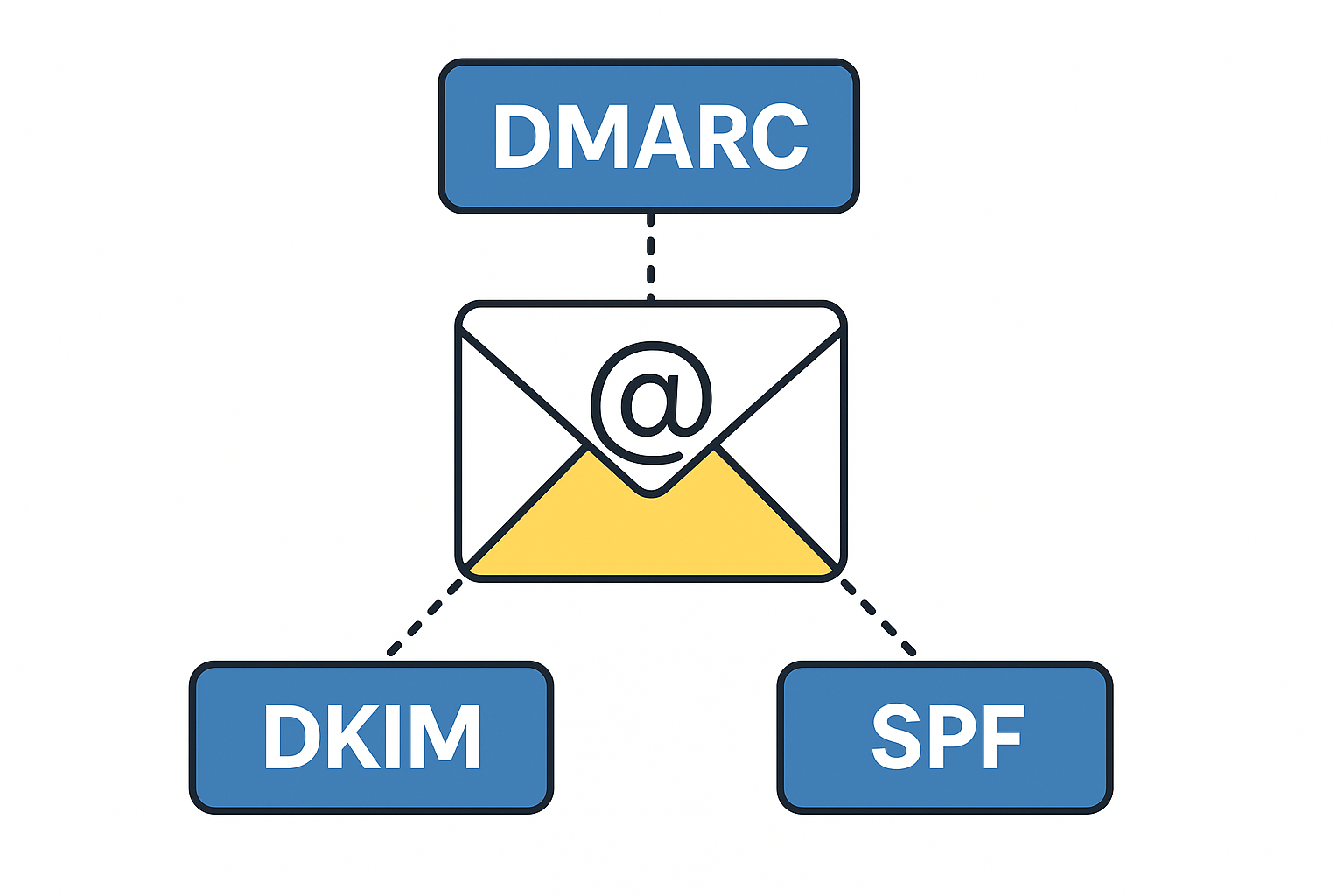
Tech Talk – What is DMARC, DKIM, SPF & Why Do I Want To Know?
DMARC, DKIM and SPF are three separate email authentication protocols that build layers of security around email delivery and integrity. Used in conjunction with each other, they provide a durable layer of protection for inbound emails and brand protection to prevent bad actors from sending emails using your business domain name. These tools provide domain…
-
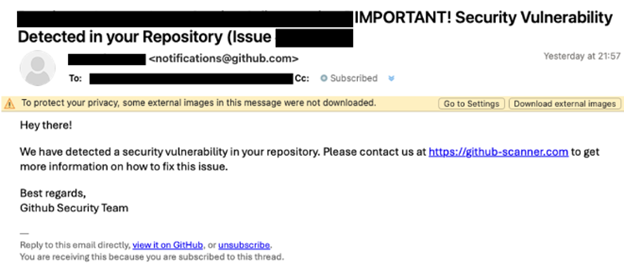
Beware of the ClickFix Scam!
TorchLight’s Threat Intelligence team has uncovered a resurgence of a phishing scam called ‘ClickFix,’ initially identified in late 2024 but now widely used by cybercriminals in 2025.
-

Microsoft Teams Phishing Attacks
TorchLight Security Operations Center continues to hear about Microsoft Teams as the vector to social engineering, phishing and spearphishing attempts by hackers. Given the volume of noise, we thought we’d publish what we know and how to defend against these attacks.