
Managed Security Services for Regulated Businesses
Get fully managed cyber security services with 24/7 monitoring, threat detection, and compliance-ready reporting, delivered by a trusted managed security service provider.
• Stop identity takeovers and invoice/payment fraud.
• Reduce ransomware exposure and contain incidents fast.
• Support audit and insurance requirements with clear reporting.
Managed Security Services Built for Regulated and Accountability-Driven Teams: Financial Services • Public Sector • Compliance-Sensitive SMBs
We’ll assess fit and the fastest risk-reduction path.
What Our Managed Security Services Include
SOC
(Security Operations Center) 24/7/365 monitoring
Our SOC delivers always-on monitoring through cyber security managed services. Analysts validate alerts, investigate threats, and coordinate response—providing enterprise-level protection without building an in-house team.
EDR
(Endpoint Detection & Response)
Detects suspicious activity on computers and can isolate compromised devices. Our advanced threat detection services at the endpoint level catch what traditional antivirus misses – behavioral anomalies, lateral movement, and fileless attacks.
ITDR
(Identity Threat Detection & Response)
Protect Microsoft 365 and identity systems from token abuse, risky logins, and unauthorized access through continuous monitoring included in our MSSP services, with real-time threat detection.

SIEM (Security Information & Event Management)
We aggregate and analyze signals across your environment to detect patterns and threats early, core to our cyber security managed services approach.

DMARC Monitoring
Prevent spoofing and impersonation attacks with continuous domain monitoring as part of our managed security services.

Vulnerability Management
Identify, prioritize, and remediate vulnerabilities before attackers exploit them, delivered through proactive managed cyber security services.
How Our Managed Security Service Responds to Threats
Security response shouldn’t be chaos. As a managed security service provider, we follow a repeatable process – every time, for every client.
Is Our Managed Security Service the Right Fit?
Identity attacks → ITDR • Endpoint threats → EDR • Email impersonation → DMARC • Pattern detection → SIEM
Built for Organizations That Need Managed Security Services Without Surprises
• Credit unions & community banks
• Wealth management, RIAs, family offices
• Municipalities & public-sector departments
• Compliance-sensitive SMBs (legal, CPA, professional services)
These industries share a common need: enterprise managed security services with the depth of a full in-house SOC – without the cost of building one.
If any of this is happening, Vigilance is a fit:
• Microsoft 365 account takeovers / risky logins
• Ransomware pressure + insurer/audit requirements
• Vendor sprawl + unclear ownership during incidents
• Need 24/7 monitoring without hiring a full SOC team
The Value of Managed Cyber Security Services
1) Early detection & rapid containment:
Validate alerts fast so small events don’t become major incidents.
2) Lower fraud and ransomware exposure:
Layered controls reduce both likelihood and impact.
3) Audit and insurance readiness:
Clear evidence and reporting for renewals and exams
4) Executive visibility (no jargon):
What happened, what changed, what was blocked, explained in business terms.
5) Peace of mind (24/7/365):
Always-on monitoring backed by humans.
Why Managed Security Services Work Better When IT Is Integrated
Most security incidents quickly become IT issues. When a single managed security service provider delivers both cyber security managed services and IT operations, response is faster, more coordinated, and more effective.
• Faster fixes: no waiting on third-party IT to patch or rebuild
• Cleaner containment: security actions align with device/user management
• One operating model: fewer gaps between “security” and “support”
Ask about a Stability + Vigilance bundle for full coverage.
Frequently Asked Questions
What is Managed Security?
Managed security services provide ongoing monitoring, detection, and response — so threats are handled continuously, not only after damage happens. Rather than reacting after a breach, a managed security service provider like TorchLight watches your environment 24/7/365 and acts the moment something suspicious is detected.
What’s included in Vigilance?
Vigilance typically includes 24/7/365 SOC monitoring, endpoint protection (EDR), identity protection (ITDR), and centralized visibility (SIEM). Add-ons may include vulnerability management and DMARC monitoring. Together, these form a comprehensive managed cybersecurity services stack – purpose-built for regulated environments.
What is a SOC and why does it matter?
A SOC (Security Operations Center) is a team of analysts who monitor your environment around the clock, validate alerts, and coordinate response. Our SOC as a service model gives businesses access to that level of coverage without the cost and complexity of building an internal SOC team. It’s one of the most effective ways to achieve continuous cyber threat monitoring without adding headcount.
Why isn’t antivirus enough?
Antivirus alone often misses modern threats – especially identity-based attacks and fileless malware. Effective managed SOC services layer detection across endpoints, identities, email, and network behavior, so attackers can’t hide in the gaps that antivirus leaves open.
What is EDR?
EDR watches for suspicious behavior on computers and helps stop malware and ransomware by isolating affected devices. It’s a core component of advanced threat detection services – catching threats that bypass signature-based tools by focusing on behavioral indicators.
What is ITDR?
ITDR helps protect Microsoft 365 identities and detects risky logins and suspicious access that can lead to fraud. It’s part of TorchLight’s network security monitoring services layer – covering the identity plane that traditional endpoint security often misses.
What is a SIEM?
A SIEM collects signals from security tools so patterns become visible – like “impossible travel” logins or multi-step attacks. In our managed SOC provider model, the SIEM is the central nervous system that gives our analysts the full picture across your environment.
What happens when you detect a threat?
We validate the alert, contain the issue, coordinate remediation, and provide a clear summary and recommended next actions.
Can you work with our internal IT team?
Yes. Vigilance can complement internal IT, or work best when paired with Stability for faster remediation.
Does this help with cyber insurance and audits?
It can. Our managed cyber security solutions include the reporting and evidence that supports compliance conversations and security control validation – making renewals and exam cycles significantly less stressful.
How long does onboarding take?
It depends on your environment and scope. We typically start with discovery, then deploy and tune controls, then move into steady-state monitoring
How does managed security services pricing work?
Managed security services pricing is typically per user per month and depends on which controls are included and your coverage needs. The final cost reflects the specific tools deployed – SOC, EDR, ITDR, SIEM, vulnerability management – and the size of your environment. The best way to get an accurate number is a 15-minute consultation where we assess your environment and recommend the right coverage level.
Why is it better to have IT + Security with one provider?
Because the response is faster and cleaner. Security events often require IT actions — patching, access changes, device remediation. One MSSP that also manages your IT removes the handoff delay and eliminates the finger-pointing that happens when two separate vendors share responsibility.
Why Choose TorchLight as Your Managed Security Service Provider
At TorchLight, our mission is simple: protect our clients and help them operate securely in an increasingly hostile threat landscape. As a trusted managed security service provider (MSSP), we deliver managed cyber security services designed to reduce risk, improve visibility, and support long-term business resilience.
We operate with candor, transparency, and proactive communication; partnering closely with organizations that value accountability and measurable outcomes. Unlike traditional cyber security managed services providers, we don’t just monitor alerts; we align security, IT operations, and response into a unified system that works in real-world environments.
Together, we ensure that IT security goals are not only met but exceeded, safeguarding business continuity every day. Our people are our greatest asset, unified by our mission to secure and serve our customers and frustrate the hackers.
Latest Insights & Blog
Expert insights on cybersecurity, compliance, and IT strategy.
-

NCUA’s AI Compliance Plan: What It Signals for Credit Unions (and How to Get Ahead of It)
Artificial intelligence is moving from “innovation project” to operational reality across financial services. Regulators are responding the way they always do when a technology starts touching mission critical decisions: by building governance, documenting controls, and raising expectations for transparency and accountability.
-

The Year Systems Broke and Why 2026 Demands Action
If you assumed your security controls were working in 2025, you weren’t alone. So did 99% of defense contractors who failed CMMC compliance. So did organizations running on AWS when a 15-hour DNS error took down their operations.
-
Payment Remittance Phishing Attacks Security Bulletin
Over the past several days, the TorchLight Security Operations Center has observed a rapid escalation in payment remittance phishing attacks targeting end users across multiple industries. While these phishing techniques aren’t new, the scale and frequency of this week’s activity represent a significant shift in threat actor behavior. In this post, we break down what…
-
What Palo Alto’s Breach Teaches About Protecting SaaS Applications
In August, Palo Alto Networks got breached. Not through their firewall. Not through phishing. Through a Salesforce integration. Over 700 organizations were affected. And their security tools never saw it coming.
-
Strategic Guidance – Getting The Most From Your Pen Test Report
It’s Q4 and pen test reports are piling up. Most companies scan for critical findings, patch them, and move on. But those medium and low-risk findings everyone ignores? They’re revealing where your security posture is quietly deteriorating. Gary Blosser, our vCISO and Principal Security Architect, shows you how to extract real value from every section…
-
Docusign Phishing Attacks Security Bulletin
The TorchLight Security Operations Center has seen a massive increase in fake Docusign phishing emails since Monday of this week. While these threat vectors has been in use since early 2024, the massive rise in attacks this week is real. At this point, consider all Docusign emails to be hostile and must be carefully reviewed…
-
The Palo Alto Paradox: Why Even Security Giants Fall Through Integration Gaps
Recently, Palo Alto Networks fell victim to a cyber-attack. Attackers used compromised OAuth tokens to breach 700+ organizations through a third-party marketing tool integration. If a security giant like Palo Alto can fall through integration cracks, what does that say about your exposure?
-
The Future of Authentication: Why Phishing-Resistant MFA Matters
MFA fatigue is creating security gaps as employees mindlessly click “approve” on authentication prompts. Learn how phishing-resistant MFA eliminates password frustration while stopping credential-based attacks entirely. Augusto Melo explores why this strategic shift cuts breach risk, boosts productivity, and positions organizations ahead of compliance requirements.
-
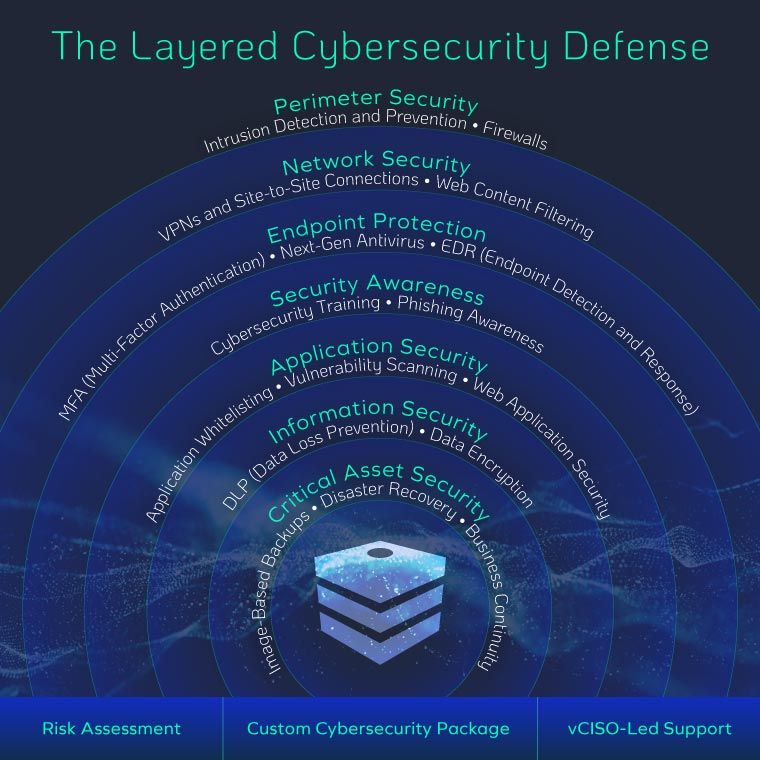
Why Advanced Cybersecurity Tools Still Fail – And What to Do Instead
It seems like every week another well-known company falls victim to a cyberattack – even those armed with the latest, most expensive cybersecurity tools. So why do breaches keep happening? After 15 years of breach investigations, one pattern is clear: most organizations lack a holistic approach to security. Tools are important, but without layered defenses…
-
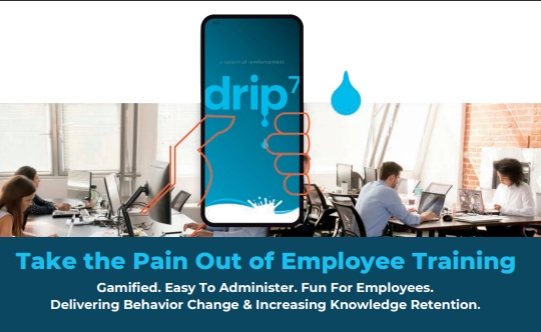
Why We Partnered with Drip7 Security Awareness Training to Tackle the Real Cybersecurity Risk: People
TorchLight has partnered with Drip7 to strengthen human-focused cybersecurity training. Learn how this microlearning platform helps reduce human error, improve security awareness, and support a holistic cybersecurity strategy for your business.