
AI Workflow Automation Services for Regulated Businesses
Design, document, and automate repetitive business processes with AI workflow automation services built for secure, scalable, and compliance-driven operations.
AI Workflow Automation and Business Process Automation Services
From manual, error-prone processes to intelligent automation solutions that protect compliance and drive consistent growth.
Our workflow automation services support organizations looking to streamline processes, reduce administrative overhead, and build more reliable operations through intelligent automation services and AI business automation.
How AI Workflow Automation Services Improve Business Operations
We help organizations move beyond disconnected scripts and one-off automations into scalable workflow automation services that improve efficiency, reduce operational friction, and support long-term business growth.
Process Discovery and Design
We map your current workflows, identify bottlenecks, and design a future state that reduces handoffs, errors, and rework while aligning with your controls.
Workflow Automation Integration Services
We connect the tools you already own, so data moves cleanly between systems and the right people are notified at the right time.
Copilot and M365 Enablement
We help teams adopt Microsoft Copilot, Power Automate, and AI business automation tools with governance, prompts, and workflow structures
Human-in-the-Loop Guardrails
Our intelligent automation services include approval layers, reviews, and governance controls, so AI workflow automation improves speed without any risks.
Monitoring, Metrics, and Improvement
Track automation performance through dashboards, reporting, and process metrics that show where workflow automation services are improving productivity
Compliance and Risk Aligned Automation
For regulated organizations, we align AI workflow automation services with compliance requirements, documentation standards, security controls, and data governance expectations.
Why Choose TorchLight as Your AI Workflow Automation Services Provider?
At TorchLight, we believe intelligent automation solutions should make your business more predictable, not more chaotic. Unlike firms that drop tools into your environment and move on, we start with the systems that run your organization. Our AI workflow automation consulting approach identifies where automation genuinely reduces noise, eliminates manual rework, and lowers operational risk, before a single workflow gets built.
Our team brings together IT, cybersecurity, and AI business process automation expertise, so every workflow we build respects role-based access controls, audit trail requirements, and examiner expectations from day one. For credit unions, banks, healthcare organizations, and other regulated businesses, that combination is rare. Most automation firms don’t think in terms of compliance controls. We do, because our roots are in managed IT and security services for regulated industries.
The result is a documented process automation roadmap, compliant workflow designs, and intelligent business process automation that your team can actually own. You gain operational capacity, process consistency, and the confidence that critical workflows run the same way every time, whether key staff are in the office or not. That’s what a real AI workflow automation services engagement looks like: not just technology delivered, but a more resilient operating model built.
Frequently Asked Questions
What are AI workflow automation services?
AI workflow automation services use artificial intelligence and automation tools to streamline repetitive business processes, reduce manual work, improve accuracy, and increase operational efficiency. These services help organizations automate approvals, reporting, communication workflows, document handling, and other operational tasks across departments.
How does AI workflow automation work for regulated industries like banking and healthcare?
Unlike standard automation, business process automation services for regulated industries must respect role-based access controls, maintain complete audit trails, and align with documentation standards that hold up under regulatory examination. TorchLight builds these compliance controls into every workflow from day one, so efficiency gains never come at the cost of a compliance gap.
What is the difference between business process automation and AI workflow automation?
Business process automation focuses on automating repetitive operational tasks and workflows, while AI workflow automation adds intelligence through decision-making, content generation, data analysis, and predictive actions. Combining both creates more adaptive and efficient workflow automation solutions.
Do you offer AI automation consulting before we commit to a full build?
Yes. We offer an Automation Assessment as a starting point. Our AI automation consulting engagement covers your current workflows, the biggest automation opportunities, the right tools for your environment, and a realistic roadmap – before any build work begins.
Can you help implement Microsoft Power Automate and Copilot for our organization?
Yes. TorchLight provides Microsoft Power Automate implementation and Microsoft Copilot enablement services aligned to your governance framework, security controls, and Microsoft 365 environment. For organizations in regulated industries, we also ensure every deployment meets your data governance and compliance requirements before go-live.
Are AI workflow automation services secure for regulated industries?
Yes. Our AI workflow automation services are designed with security, governance, and compliance in mind. We implement role-based access controls, approval workflows, audit logging, and process documentation to support regulated organizations in industries such as finance, healthcare, and professional services.
What does intelligent workflow automation look like in practice?
Intelligent workflow automation means your systems don’t just move data, they make context-aware decisions. For example: routing an approval based on dollar threshold, flagging an anomaly for human review, or triggering a compliance documentation step automatically when a process milestone is reached.
Is TorchLight an AI automation services provider or a traditional IT firm?
Both. As an AI automation services provider with deep roots in IT and cybersecurity, TorchLight brings something most pure automation firms can’t: the ability to design automations that respect your security controls, compliance requirements, and IT infrastructure from day one.
Can you help with enterprise AI automation consulting for multi-department rollouts?
Yes. Our enterprise AI automation consulting engagements are designed for organizations rolling out automation across multiple teams or departments. We work with leadership, IT, and operations together to ensure the rollout is structured, documented, and aligned with your overall governance framework.
What is human-in-the-loop AI automation and why does it matter for compliance?
Human-in-the-loop AI automation builds defined approval checkpoints into automated workflows so your team stays accountable for outcomes while AI handles the surrounding work. For credit unions, banks, and healthcare organizations, this design approach satisfies examiner expectations and maintains the accountability standards required in regulated environments.
Latest Insights & Blog
Expert insights on cybersecurity, compliance, and IT strategy.
-
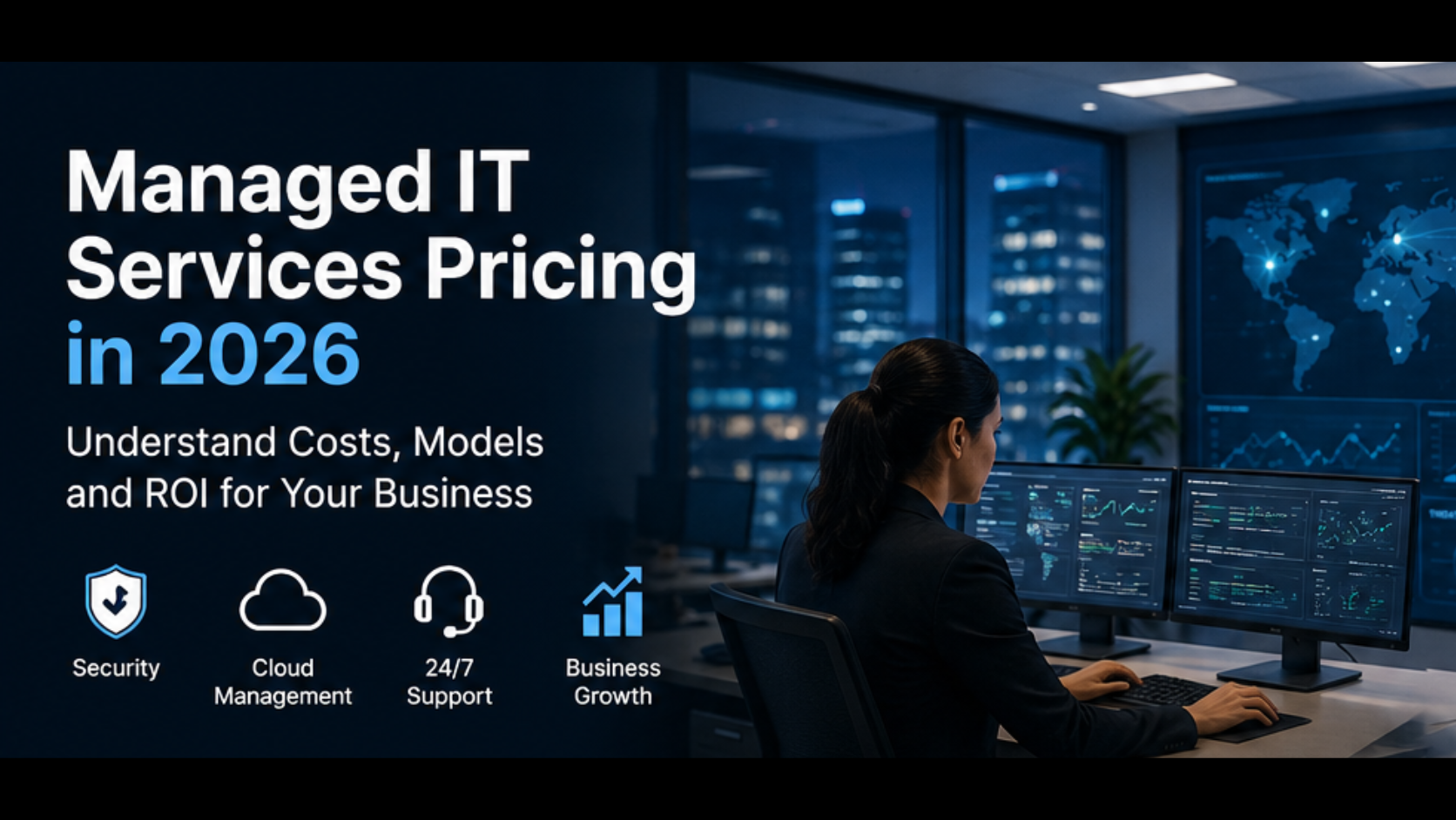
Managed IT Services Pricing in 2026: A Complete Guide for Businesses
When businesses start researching managed IT services, one question usually comes first: “How much should managed IT actually cost?” And honestly, the answers online can feel confusing. One provider may quote a few hundred dollars per month, while another charges thousands for seemingly similar services. Some include cybersecurity, backups, and cloud management in their pricing,…
-
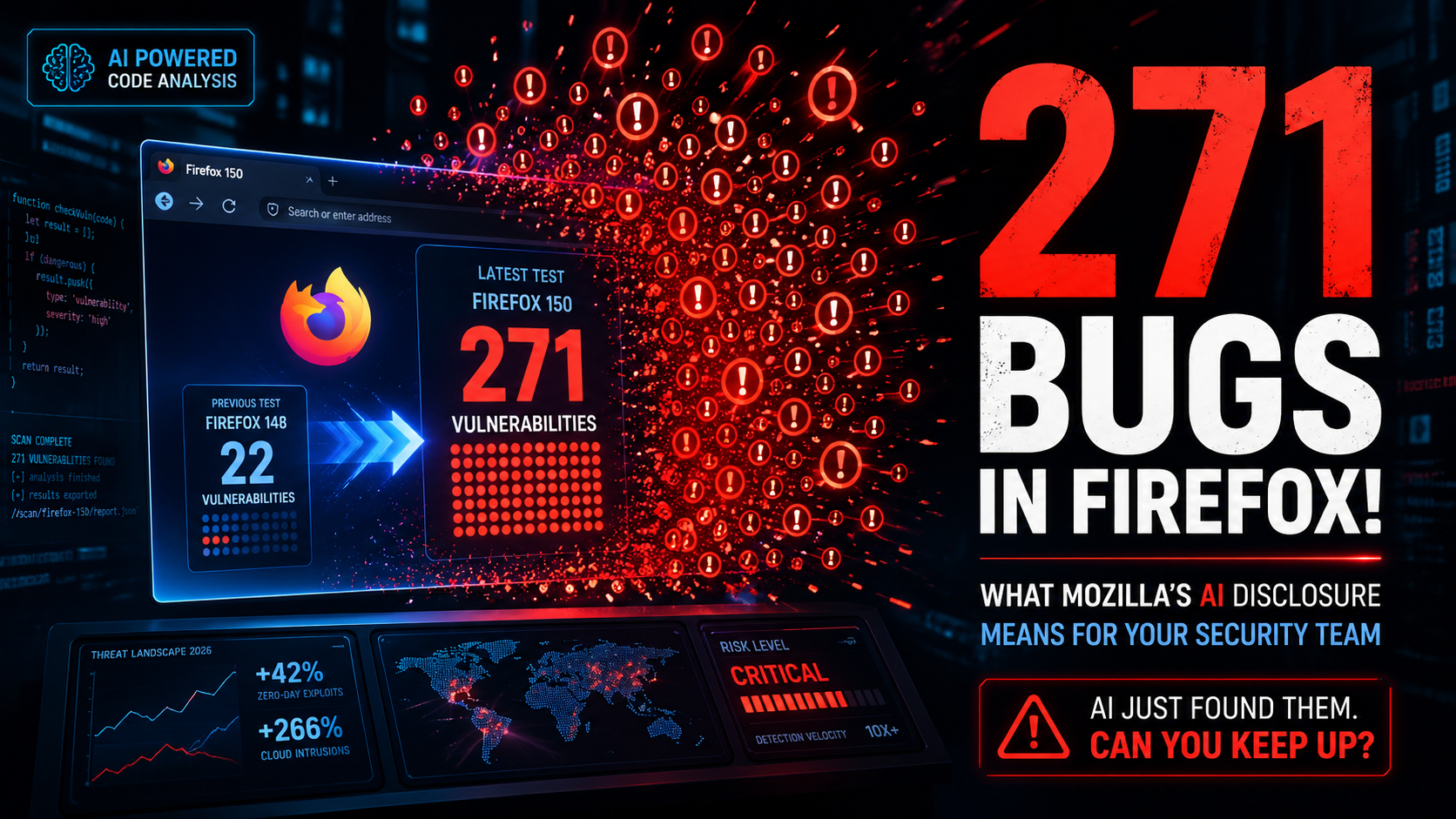
271 Bugs in Firefox! What Mozilla’s AI Disclosure Means for Your Security Team
Surfacing 22 new bugs in Firefox 148 was already an outlier. Surfacing 271 in Firefox 150 was something else entirely.
-
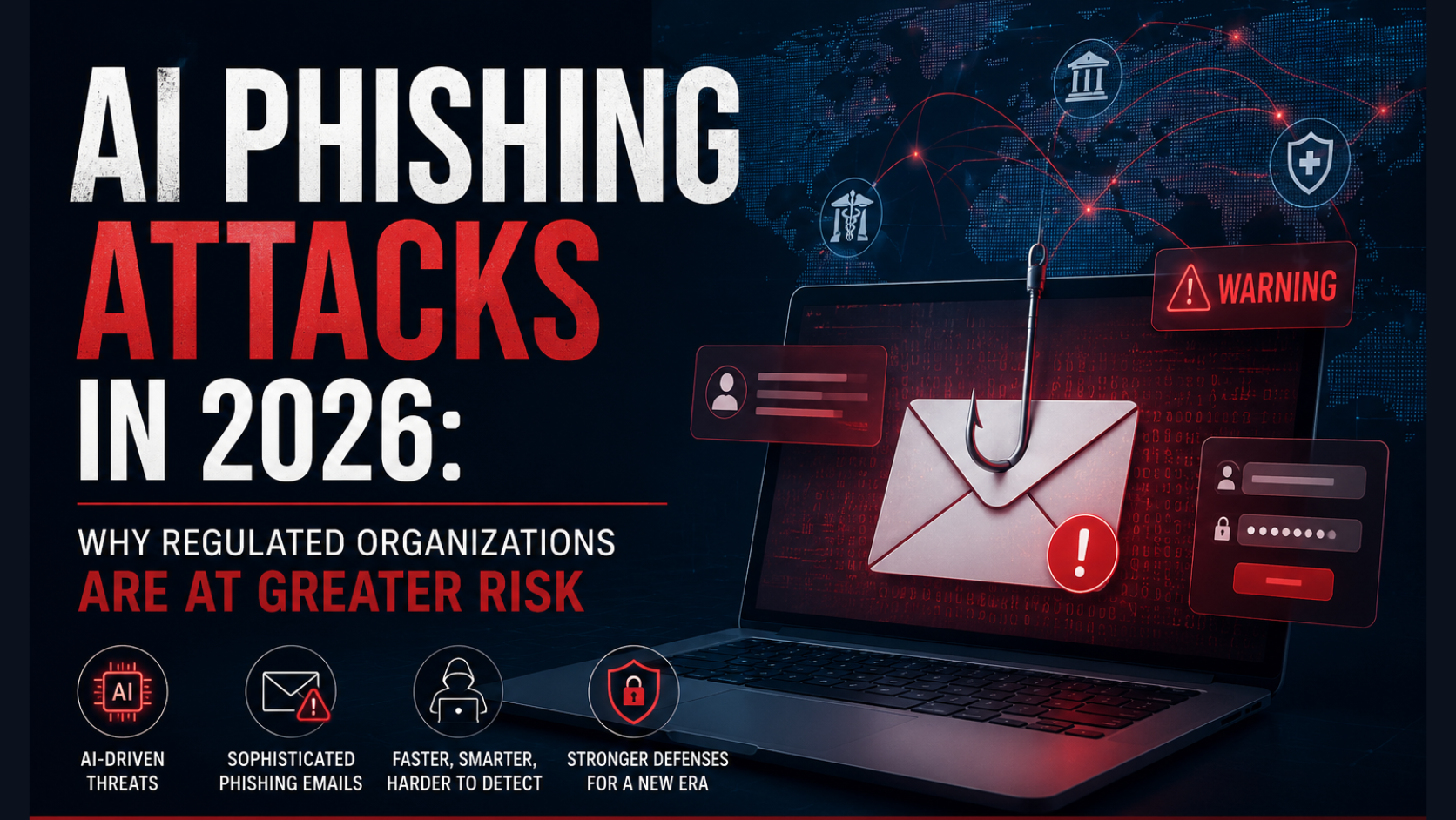
AI Phishing Attacks in 2026: Why Regulated Organizations Are at Risk
Phishing volume and sophistication have surged in 2026, driven by generative AI that lets attackers produce flawless, personalized lures at scale. Traditional email filters and “spot the typo” training can’t keep up.
-
Why Regulated Businesses Need Managed Security Services (MSSP) in 2026?
Executive Summary Managed Security Services Providers (MSSPs) deliver 24/7 threat monitoring, detection, and response capabilities that most organizations can’t build cost-effectively in-house. For regulated industries—credit unions, healthcare providers, government agencies, and wealth management firms—MSSPs have evolved from optional vendors to strategic necessities. This comprehensive guide explains what MSSPs actually do, who needs them, how to…
-
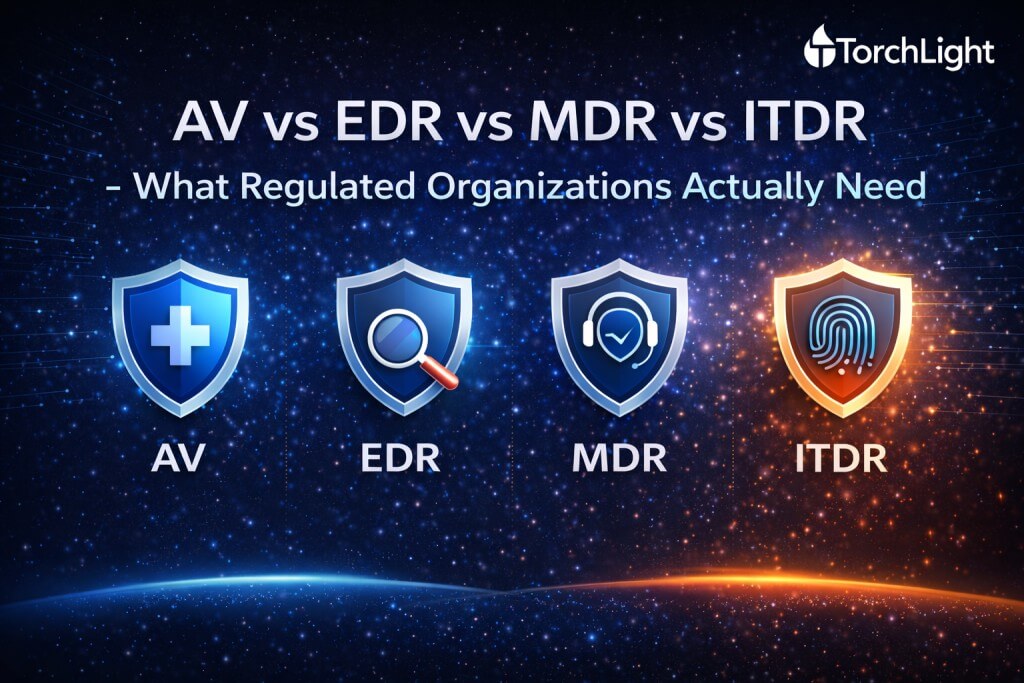
AV vs EDR vs MDR vs ITDR: What Regulated Organizations Actually Need in 2026
The Cybersecurity Tool Problem No One Talks About Here’s a conversation that happens more often than it should in boardrooms across financial services, healthcare, and government sectors: “Do we have antivirus?” the executive asks. “Yes,” the IT manager confirms. “Then we’re protected, right?” “…Sort of.” That “sort of” is where data breaches live. That hesitation…
-
Microsoft Defender vs Traditional Security Tools: What Actually Wins?
Every organization running Microsoft 365 faces the same question eventually: is the security baked into our Microsoft subscription actually protecting us — or are we spending money on tools we’ve already paid for while leaving real gaps open? It’s a fair question. And if you’re in a regulated industry — a credit union, a healthcare…
-
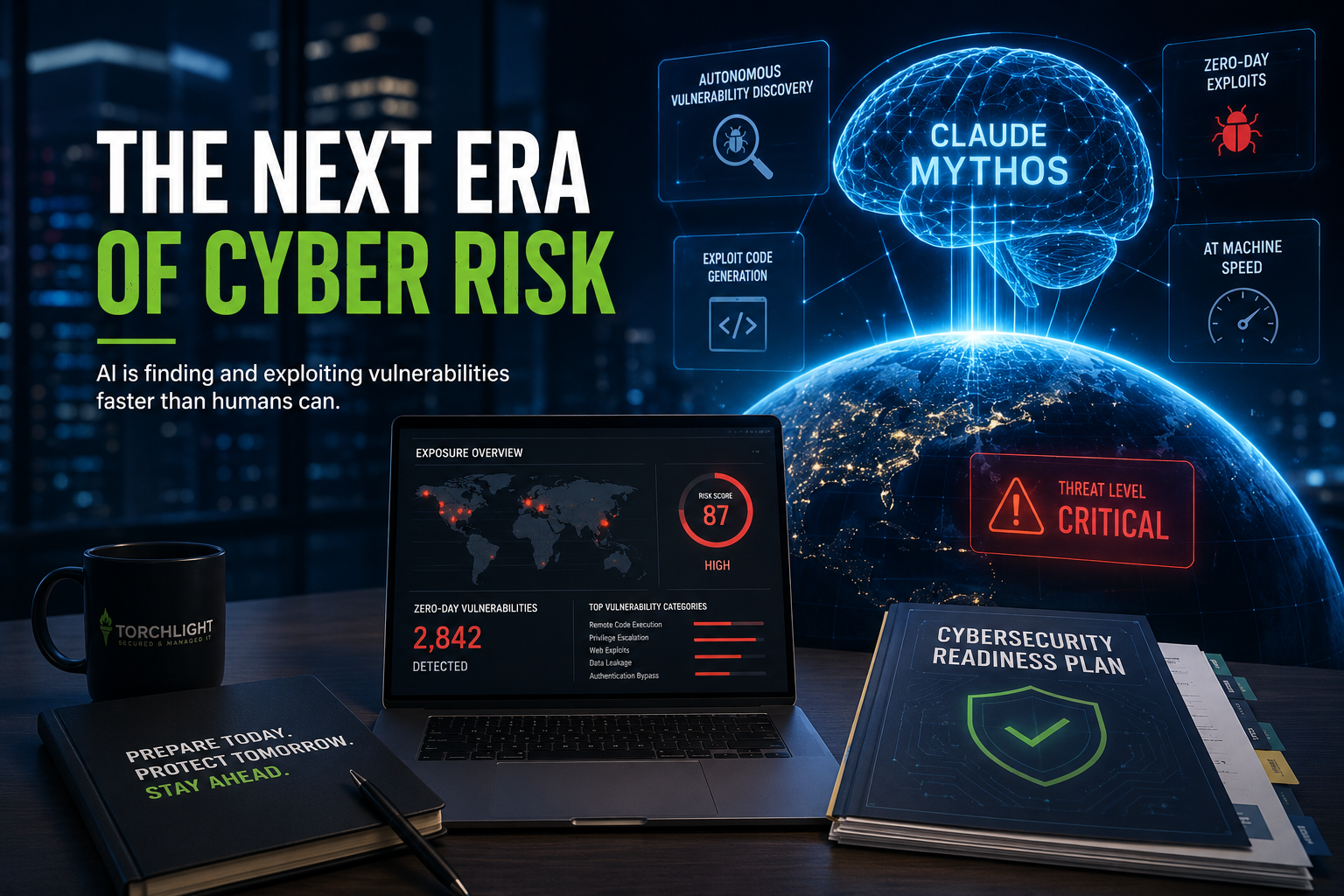
The AI That’s Too Dangerous to Release (And What It Means for Your Business)
A few weeks ago, Anthropic accidentally left nearly 3,000 unpublished internal files exposed on the public internet, no password required. Among those files was a draft blog post describing what the company called “by far the most powerful AI model we’ve ever developed.”
-
Google Proposed Device Bound Session Credentials To Prevent Session Theft – Will This Solve The Problem?
Google just rolled out something called Device Bound Session Credentials — DBSC for those who enjoy acronyms. But like most things that arrive wrapped in a press release, it’s worth taking a closer look before you decide whether to applaud or raise an eyebrow.
-
How to Build an Annual IT Budget: A Practical Guide for Regulated Organizations
Key Takeaways: Introduction: The Stakes of IT Budgeting in 2026 For leadership teams in regulated industries, such as financial services, healthcare, government, or higher education, an IT budget is far more than a spreadsheet of hardware costs. It is a strategic roadmap for risk management and operational continuity. In the 2026 threat landscape, a poorly…
-
How to Choose the Right IT Partner: A Buyer’s Guide for Compliance-Sensitive Organizations
Key Takeaways Before diving into the full guide, here are the essential criteria for selecting a partner in a high-stakes, regulated environment: In 2026, the stakes for business technology have never been higher. For leaders in regulated industries, financial services, healthcare, and government, the search for an IT partner is no longer about finding someone…