
Professional IT Services
Design, Build, Migrate, Success
Microsoft Gold Certified Experts in M365 Migration & Support
Microsoft Azure Specialists For Cloud Enablement & Security

Engineering & Implementation Services
Start With An Idea, Create An Outcome That Transforms Your Business
Assessment
We observe and assess current servers and networking transport.
Design
Our Cloud Architects design an architecture that supports the desired outcomes.
Build
TorchLight Cloud Engineers prepare the infrastructure for data and migrate selected data.
Implementation
Testing starts with a selected group and rolls out to all users company wide.
Why TorchLight?
At TorchLight, our “why” is simple: we exist to serve our customers and protect them from the relentless threat of hackers. This mission drives everything we do, setting us apart in the Secured and Managed IT landscape.
We foster a culture of candor, transparency, service, proactive communication and a growth mindset, all aimed at supporting our clients’ needs. We seek trusted partnerships with organizations that share our values, prioritizing open dialogue and a win/win mindset.
Together, we ensure that IT security goals are not only met but exceeded, safeguarding business continuity every day. Our people are our greatest asset, unified by our mission to secure and serve our customers and frustrate the hackers.
Latest Insights & Blog
Expert insights on cybersecurity, compliance, and IT strategy.
-
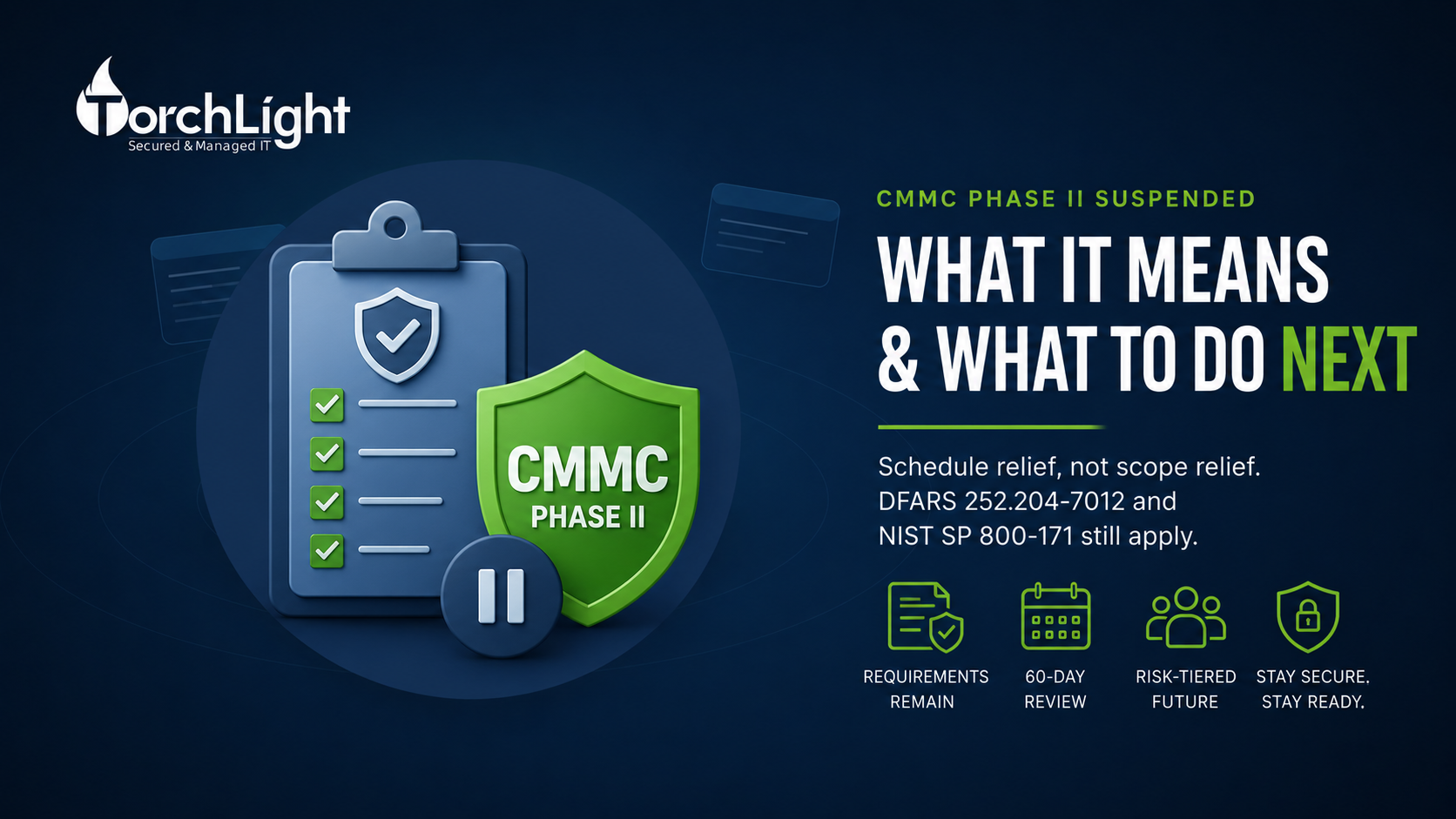
CMMC Phase II Suspended: What It Means and What to Do Next
On July 13, 2026, the Department of War suspended CMMC Phase II, removing the November 2026 third-party audit deadline. But DFARS 252.204-7012, NIST SP 800-171, and your SPRS self-attestation all still apply. This is schedule relief, not scope relief, and here is what defense contractors should do during the pause.
-
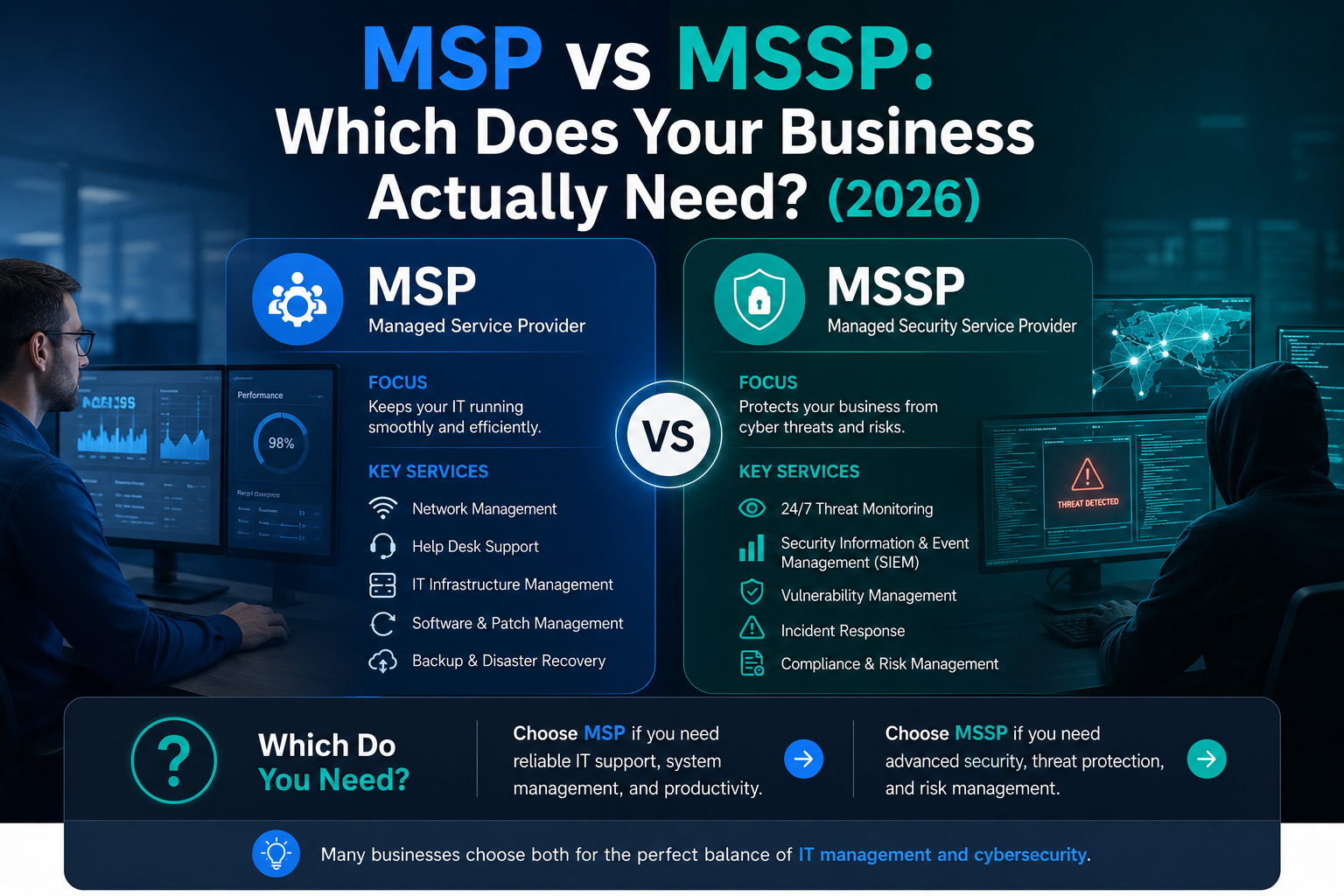
MSP vs MSSP: Which Does Your Business Actually Need? (2026)
Choosing between an MSP and an MSSP is becoming increasingly difficult as cyber threats grow more sophisticated and compliance requirements become more demanding. Many businesses invest in outsourced IT services expecting comprehensive protection, only to discover later that traditional IT support doesn’t necessarily include proactive cybersecurity. If you’re comparing MSP vs MSSP, understanding the difference…
-
What Is a Fractional vCISO? And Does a Credit Union Under $500M Actually Need One?
A fractional vCISO gives credit unions under $500 million the strategic security leadership of a full-time CISO, part-time and at a fraction of the cost. Here is what a vCISO actually does, how it differs from a vCIO, what NCUA examiners expect, what engagements cost, and how to tell if your credit union needs one.
-
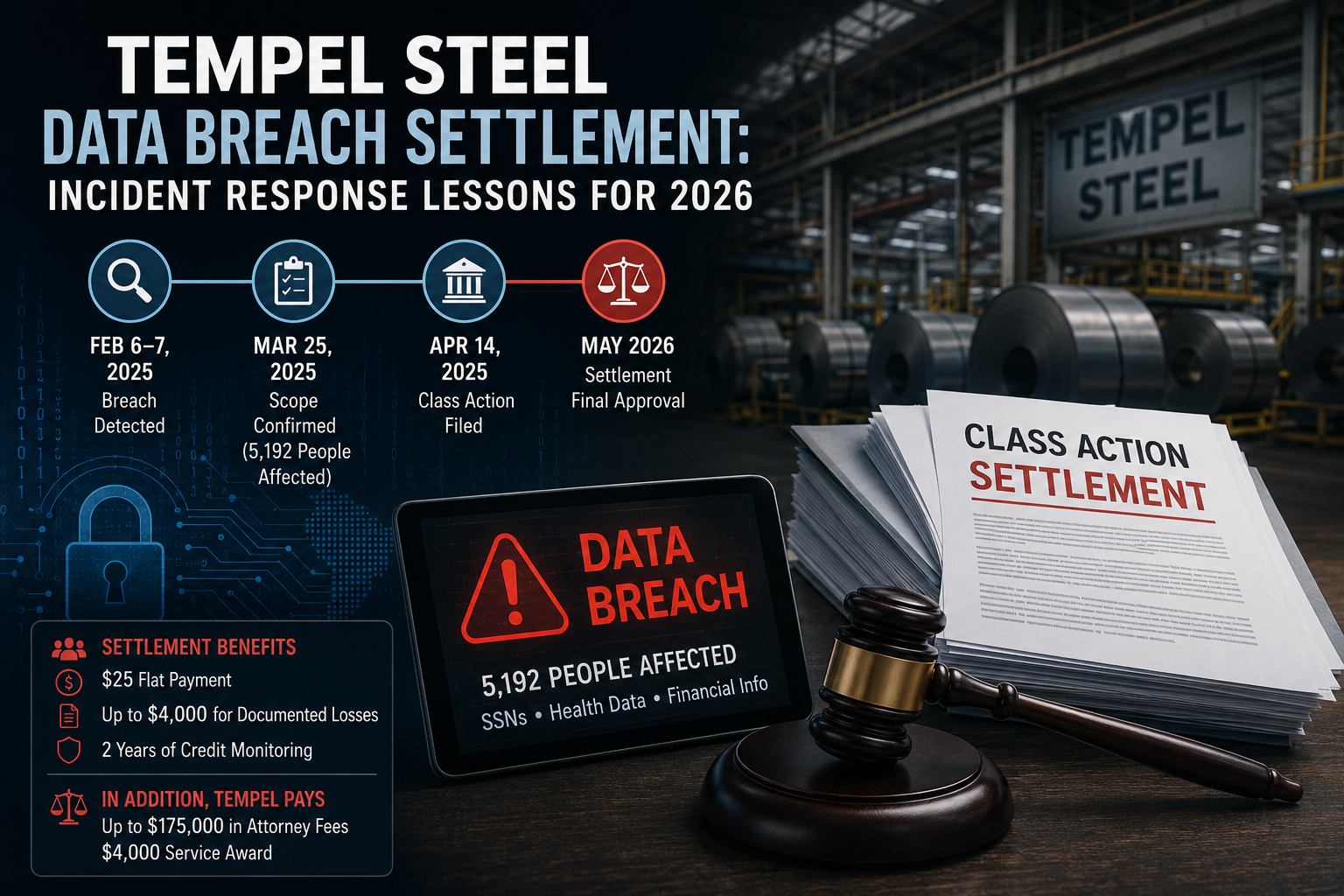
Tempel Steel Data Breach Settlement: Incident Response Lessons for 2026
Tempel Steel confirmed its breach on March 25, 2025. Twenty days later it was named in a class action, and by 2026 it faced up to $175,000 in fees plus multi-year liability, for just 5,192 employee records. Here’s what the settlement teaches financial, healthcare, and education IT leaders about response timelines.
-
The Biggest 4th of July Breach in History & the Real Cybersecurity Lessons Behind It
The biggest 4th of July breach in history took out an entire invading fleet with a single upload. The twist is that it happened in the 1996 movie Independence Day. The aliens still lost for real reasons though: no network segmentation, blind trust, and an unsigned payload. Those are the lessons worth bringing to your…
-
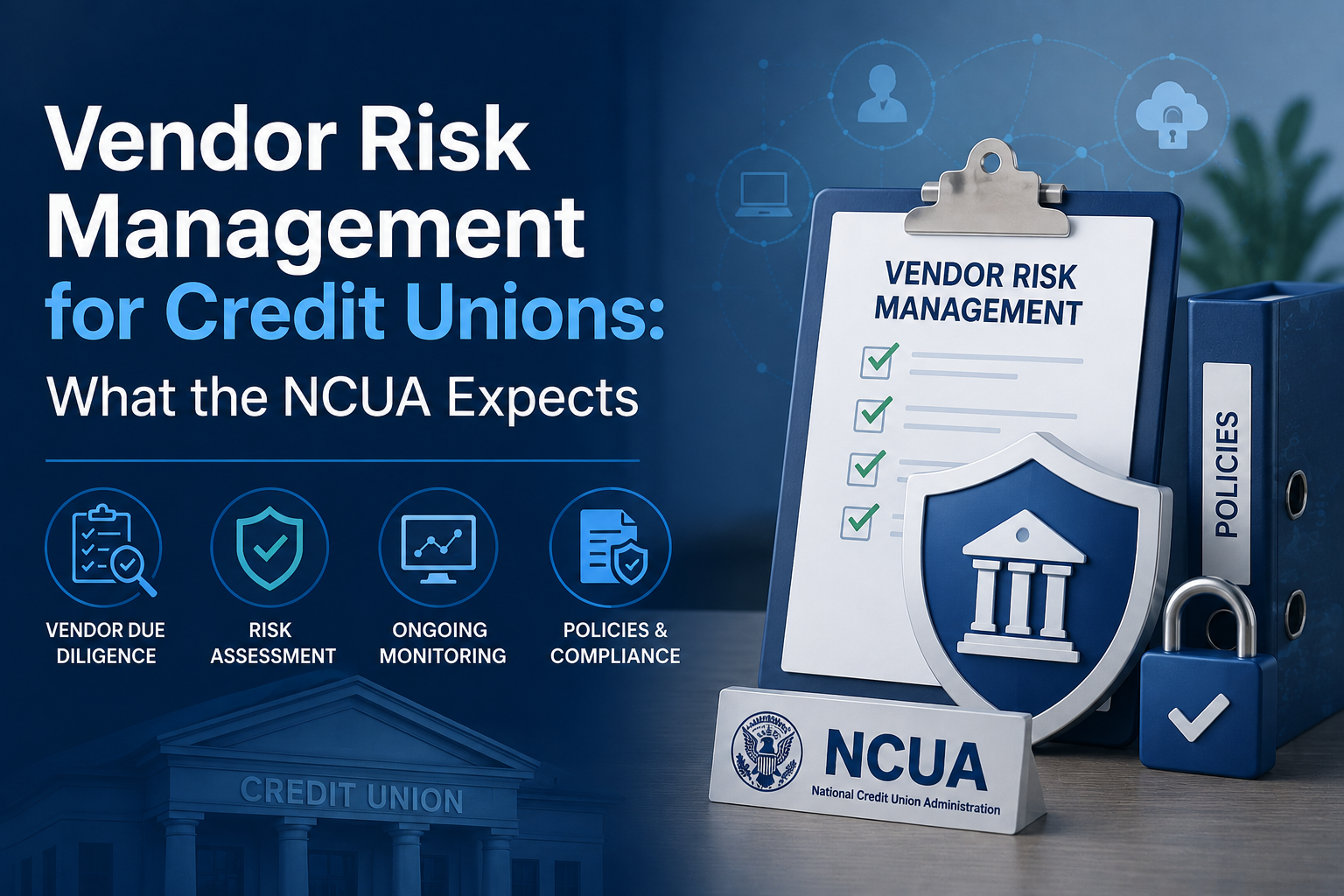
Vendor Risk Management for Credit Unions: What the NCUA Expects
Credit unions rely on third-party vendors for services such as digital banking, cloud platforms, payment processing, and fintech solutions. While these partnerships improve efficiency and member experiences, they also introduce cybersecurity, compliance, operational, and reputational risks that require careful oversight. As a result, vendor risk management for credit unions remains a key focus during NCUA…
-
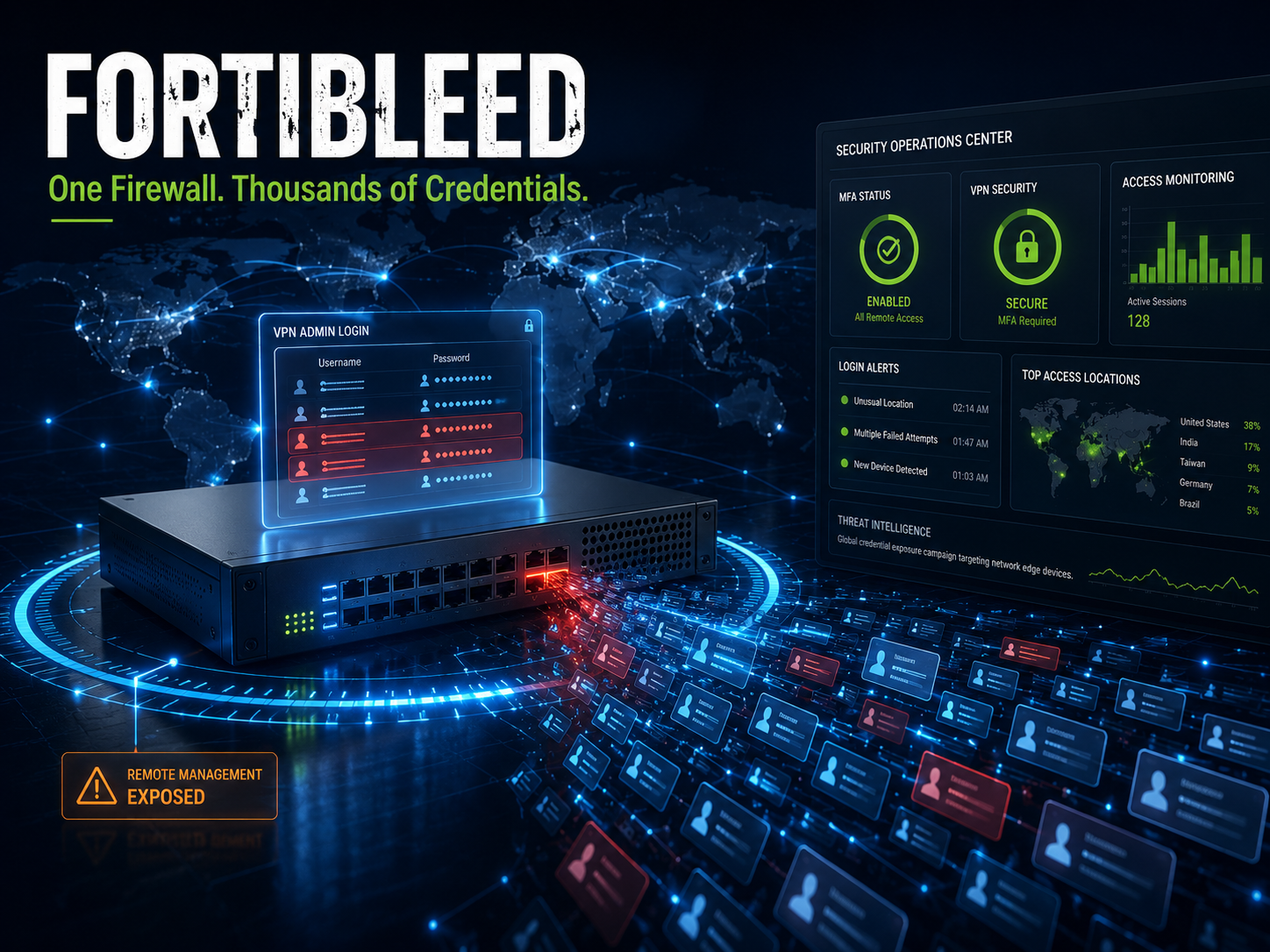
FortiBleed: 73,000 Fortinet Firewalls Exposed, and What Every Organization Must Do Now
FortiBleed is one of the largest firewall credential leaks ever found: working VPN logins for 73,932 Fortinet firewalls across 21,600 organizations and 194 countries. Strong passwords did not stop it. See what the leak means for your sector and the steps to take in the next 24 hours.
-
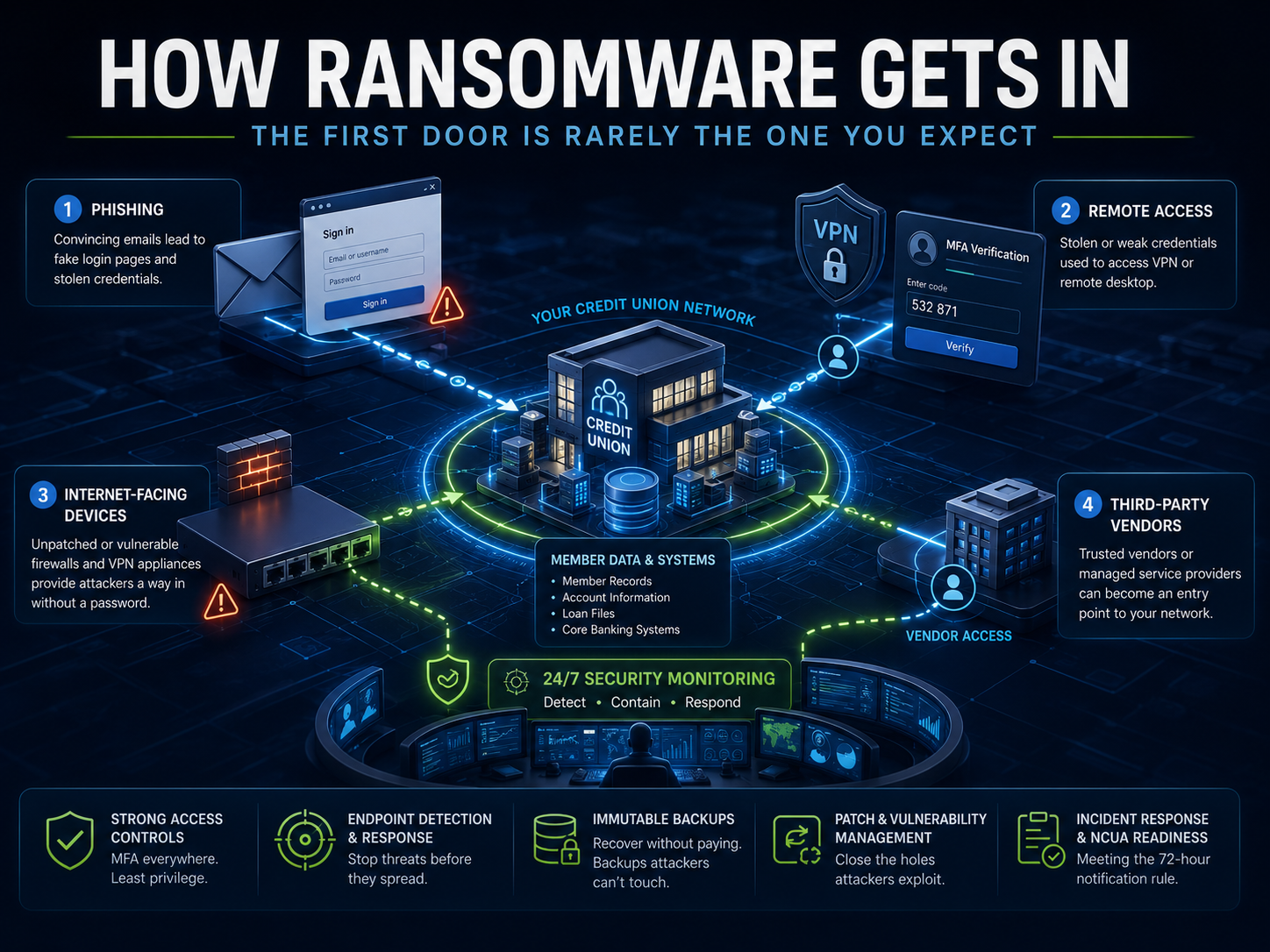
How Ransomware Enters a Credit Union Network
Ransomware rarely breaks into a credit union through the servers. It enters through a person or a weak remote login, then moves laterally in about 29 minutes. This is the real entry chain behind the Akira attacks on Ellafi and MetroWest credit unions, and the controls that stop it.
-
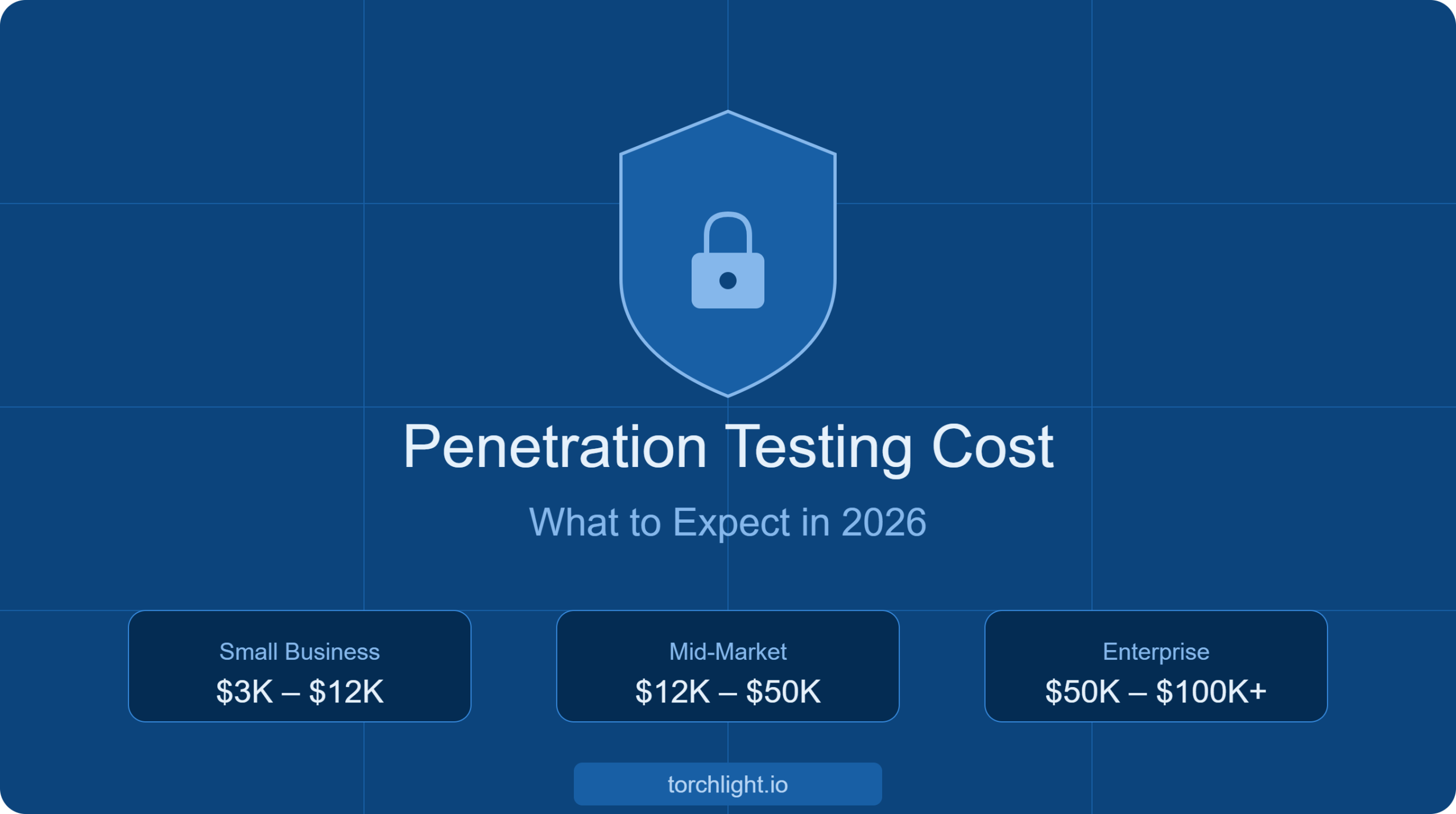
Penetration Testing Cost: What to Expect in 2026
If you’ve been tasked with budgeting for a penetration test, or justifying the expense to leadership, you’ve probably already discovered that penetration testing cost isn’t as straightforward as a line item on a vendor’s website. Prices vary wildly, scope is rarely apples-to-apples, and the cheapest option is often the most expensive mistake you can make.…
-
What is a vCISO? Cost, Role, and When to Hire One
When businesses think about cybersecurity leadership, a Chief Information Security Officer (CISO) often comes to mind. However, hiring a full-time CISO may not be practical for every organization. A vCISO provides businesses with experienced cybersecurity services, leadership, strategy, and guidance on a flexible basis without the cost and commitment of a permanent executive hire. A…