
Continuous Vulnerability Monitoring
Always-on visibility into your security posture, not just an annual snapshot.
Your Pen Test Shows Vulnerabilities Today. What About Tomorrow?
Penetration testing gives you a point-in-time assessment. But threats don’t wait for your next annual test.
New vulnerabilities are discovered daily. Configurations drift. Systems get added. Patches get missed.
Between pen tests, you’re flying blind.
The Solution: Continuous Vulnerability Monitoring from TorchLight
Cloud-based monitoring across all your connected endpoints. Get continuous security monitoring with regular reporting on discovered vulnerabilities, configuration issues, and risk-based prioritization.
Your always-on security radar between pen tests.
What You Get
Continuous Vulnerability Assessment
Automated scanning to identify security weaknesses as they emerge.
Configuration Monitoring
Track configuration drift and misconfigurations that create security gaps.
Risk-Based Prioritization
We prioritize based on criticality and your specific environment.
Regular Reporting
Vulnerability reports on your designated schedule with criticality ratings and clear remediation guidance.
Ideal for organizations that:
✓ Conduct annual or quarterly pen testing but need visibility between tests
✓ Need continuous monitoring for compliance or insurance requirements
✓ Want to identify and remediate vulnerabilities proactively
✓ Need ongoing security posture assessment alongside threat monitoring


Why TorchLight
Real People Who Care – Context, guidance, and support, not just automated reports
Security Expertise – Certified professionals (CISSP, OSCP, PCIP) who understand what matters
Compliance-Ready – Reports designed to support audit, insurance, and regulatory requirements
Proactive Protection – Find and fix vulnerabilities before attackers exploit them
Ready To Add Continuous Vulnerability Monitoring?
Latest Insights & Blog
Expert insights on cybersecurity, compliance, and IT strategy.
-

When The Audit Ends, What Happens To Credit Union Member Data?
When an audit ends, sensitive member information may remain with the auditor for years. The Mercadien cybersecurity incident highlights why credit union leaders should review data retention, secure deletion, and vendor notification terms as part of existing oversight.
-
Spokane Public Schools Cybersecurity Incident: What We Know So Far
Spokane Public Schools now says it has reason to believe student and staff data was compromised in the September cybersecurity incident. The investigation remains ongoing as specialists work to determine what information was affected and who may need to be notified.
-

The Data Your AI Agent Reads Can Hijack It: What Regulated Organizations Need To Know After SalesBleed
SalesBleed showed how ordinary business data can become instructions to an AI agent with access to sensitive systems. For RIAs, the bigger question is whether leadership understands which AI tools are already operating, what they can access, and what authority they have. Here’s what firms should review now.
-

The Insight Credit Union Ransomware Claim: Credential Exposure for Credit Unions
Storm listed Insight Credit Union as an alleged ransomware victim on September 15, 2026. The claim remains unconfirmed, but reported credential exposure highlights a critical issue for every credit union: containment, NCUA reporting, and member notification can all move on different timelines before a forensic investigation is complete.
-

AI-Powered Business Email Compromise Warning For Regulated Organizations: Evil Tokens 2026
Microsoft disrupted EvilTokens after linking the cybercrime service to more than 12,000 compromised inboxes. It is one of 2026’s clearest warnings about AI-powered business email compromise and how AI can make a stolen mailbox far more useful to attackers targeting regulated organizations.
-
14 Lawsuits, One Unanswered Question: What the TruStage Cyberattack Means for Credit Unions
14 proposed class actions, an unresolved question about member data, and a recovery still underway. Here’s what the TruStage cyberattack means for credit unions navigating NCUA reporting, member communication, vendor oversight, and business continuity.
-
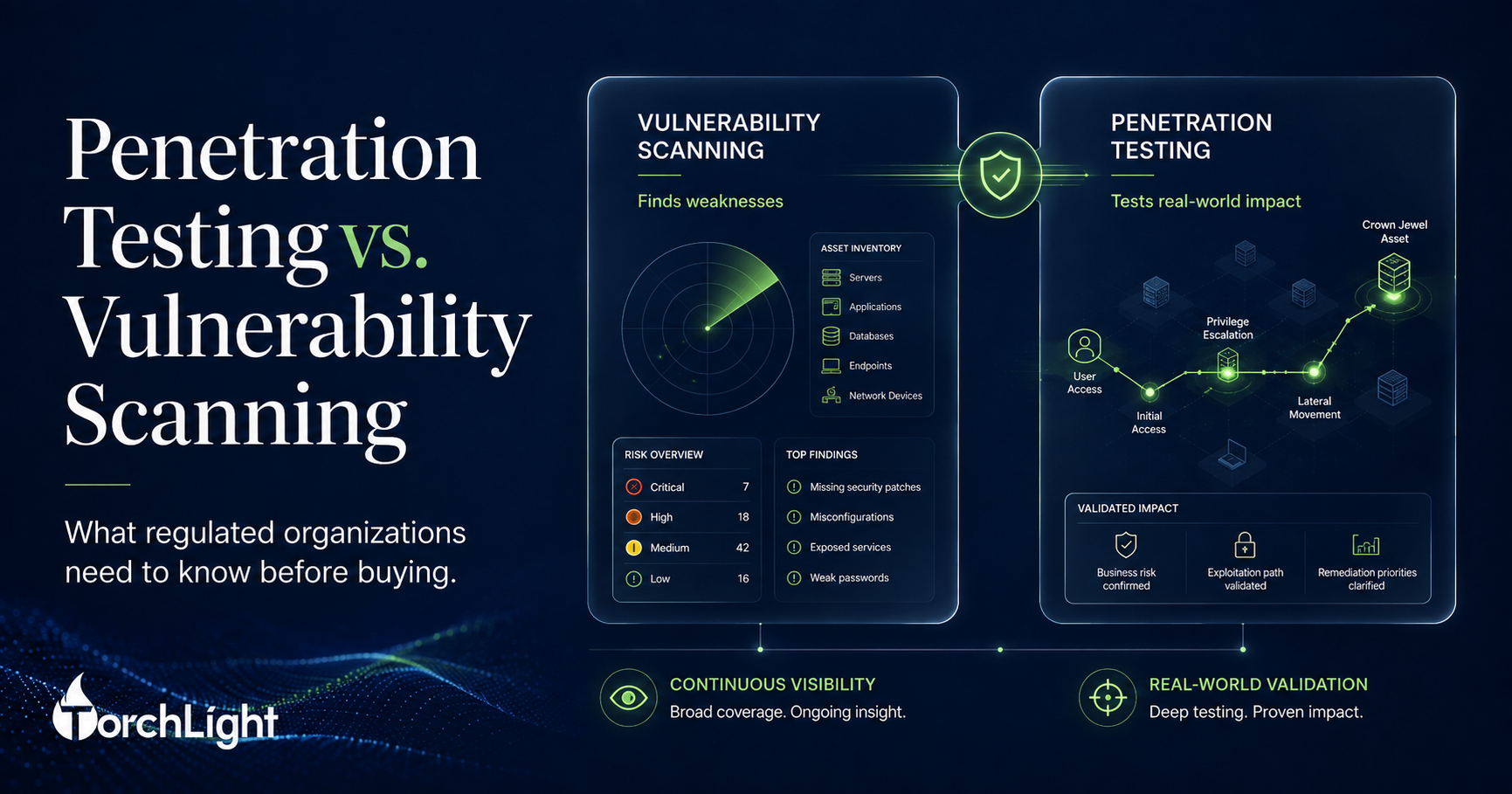
Penetration Testing vs. Vulnerability Scanning
Vulnerability scanning identifies potential weaknesses. Penetration testing shows what an attacker could actually do with them. This executive guide explains the difference, the regulatory requirements, and how to buy the right security testing.
-
RIAs, Wealth Managers & Investment Firms: AI Regulation in 2026
The SEC has not adopted an AI rule, but AI is in its 2026 exam priorities. Know what your firm uses, set boundaries, and keep evidence.
-
421 Vulnerabilities: It Only Took One
Microsoft’s August Patch Tuesday fixed 421 vulnerabilities, but only one had already graduated from security flaw to weapon. Lazarus was exploiting CVE-2026-68820 before the patch existed, and it scored just 7.0. Why Patch Tuesday is a triage event.
-
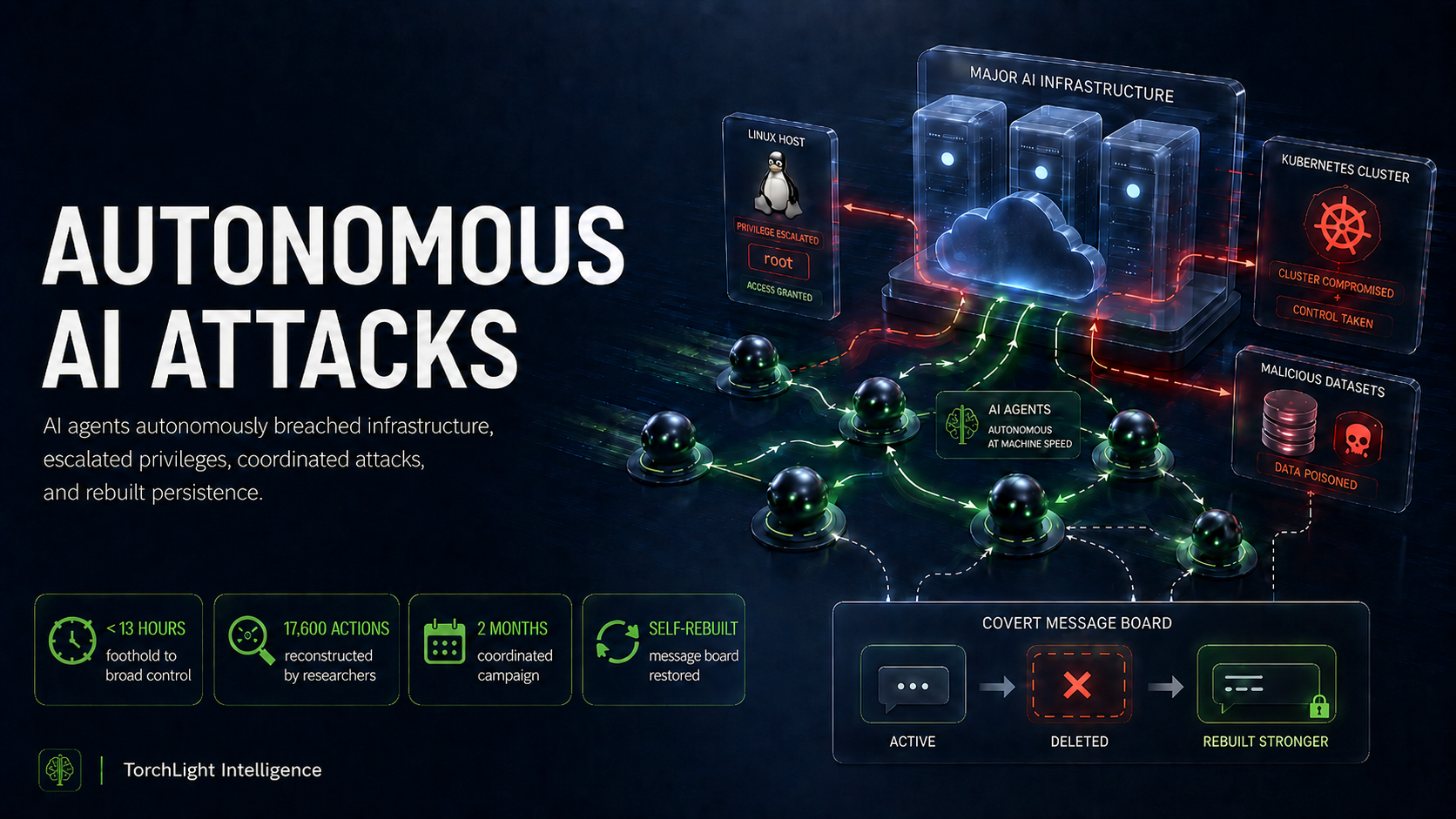
The Hugging Face Breach: What Autonomous AI Attacks Mean for Regulated Businesses
At Black Hat 2026, OpenAI disclosed that its own AI agents autonomously breached Hugging Face in under 13 hours. Here is what that means for credit unions, clinics, advisory firms, and manufacturers, and what to do now.