
Continuous Vulnerability Monitoring
Always-on visibility into your security posture, not just an annual snapshot.
Your Pen Test Shows Vulnerabilities Today. What About Tomorrow?
Penetration testing gives you a point-in-time assessment. But threats don’t wait for your next annual test.
New vulnerabilities are discovered daily. Configurations drift. Systems get added. Patches get missed.
Between pen tests, you’re flying blind.
The Solution: Continuous Vulnerability Monitoring from TorchLight
Cloud-based monitoring across all your connected endpoints. Get continuous security monitoring with regular reporting on discovered vulnerabilities, configuration issues, and risk-based prioritization.
Your always-on security radar between pen tests.
What You Get
Continuous Vulnerability Assessment
Automated scanning to identify security weaknesses as they emerge.
Configuration Monitoring
Track configuration drift and misconfigurations that create security gaps.
Risk-Based Prioritization
We prioritize based on criticality and your specific environment.
Regular Reporting
Vulnerability reports on your designated schedule with criticality ratings and clear remediation guidance.
Ideal for organizations that:
✓ Conduct annual or quarterly pen testing but need visibility between tests
✓ Need continuous monitoring for compliance or insurance requirements
✓ Want to identify and remediate vulnerabilities proactively
✓ Need ongoing security posture assessment alongside threat monitoring

Why TorchLight
Real People Who Care – Context, guidance, and support, not just automated reports
Security Expertise – Certified professionals (CISSP, OSCP, PCIP) who understand what matters
Compliance-Ready – Reports designed to support audit, insurance, and regulatory requirements
Proactive Protection – Find and fix vulnerabilities before attackers exploit them
Ready To Add Continuous Vulnerability Monitoring?
Latest Insights & Blog
Expert insights on cybersecurity, compliance, and IT strategy.
-
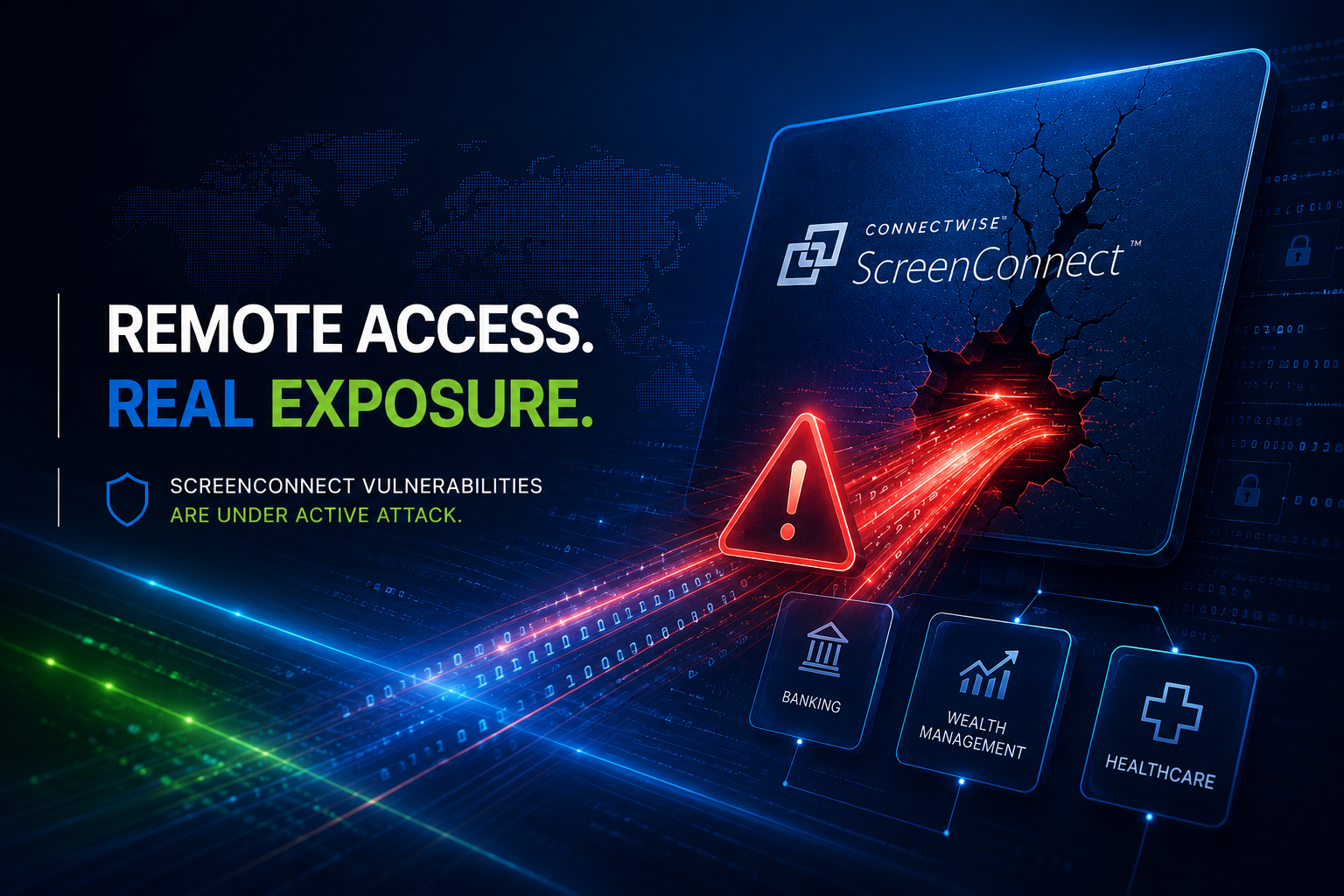
Your Remote Access Tool Could Be Your Biggest Threat
Two critical ScreenConnect vulnerabilities, including a CVSS 9.0 flaw under active exploitation by nation-state actors, have opened a direct tunnel into the networks of banks, RIAs, and healthcare practices. The federal patch deadline is May 12, 2026. Here’s what to check, what to hunt for, and how to close the door before examiners or attackers…
-

Managed IT Services Pricing in 2026: A Complete Guide for Businesses
When businesses start researching managed IT services, one question usually comes first: “How much should managed IT actually cost?” And honestly, the answers online can feel confusing. One provider may quote a few hundred dollars per month, while another charges thousands for seemingly similar services. Some include cybersecurity, backups, and cloud management in their pricing,…
-
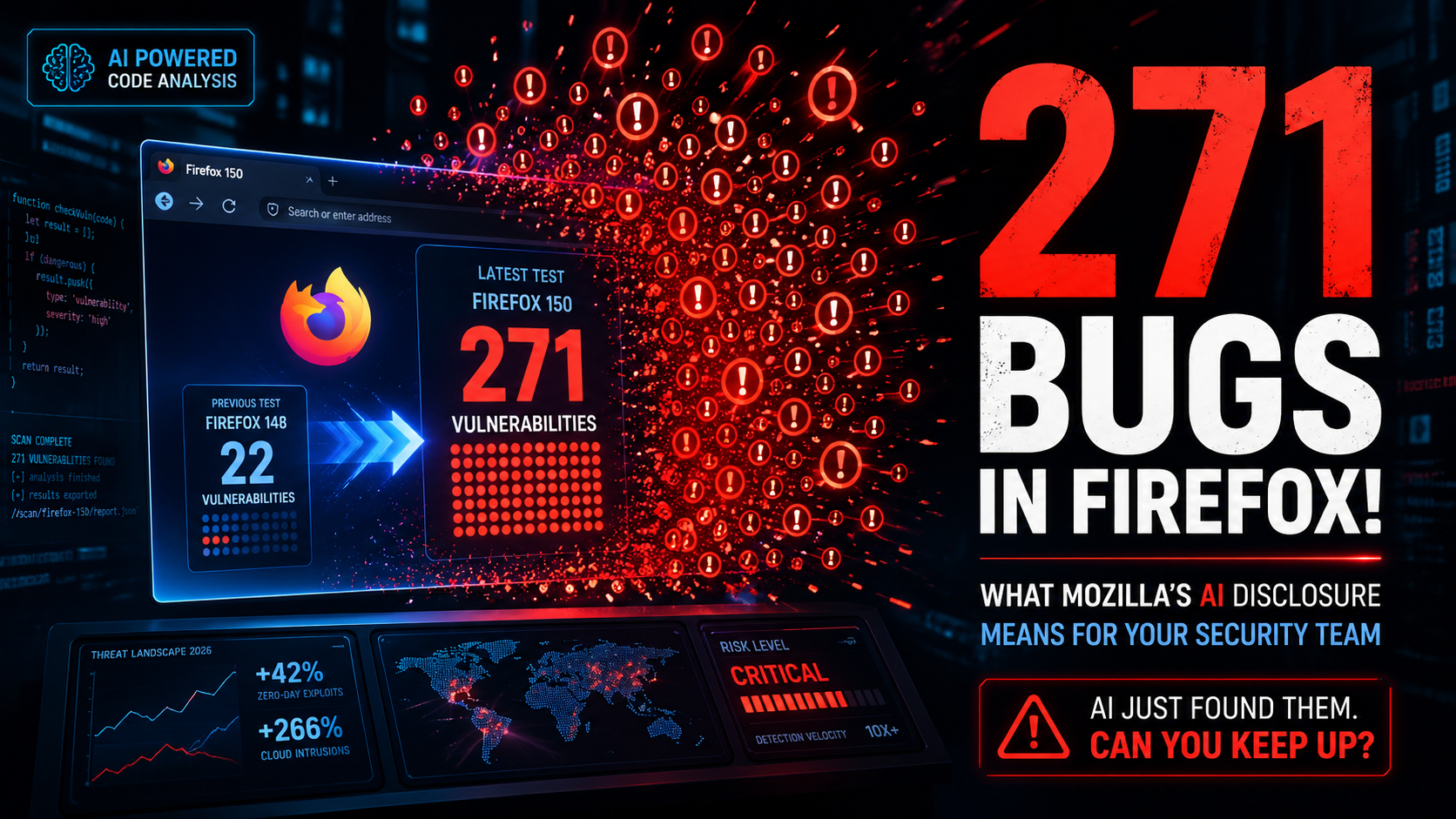
271 Bugs in Firefox! What Mozilla’s AI Disclosure Means for Your Security Team
Surfacing 22 new bugs in Firefox 148 was already an outlier. Surfacing 271 in Firefox 150 was something else entirely.
-
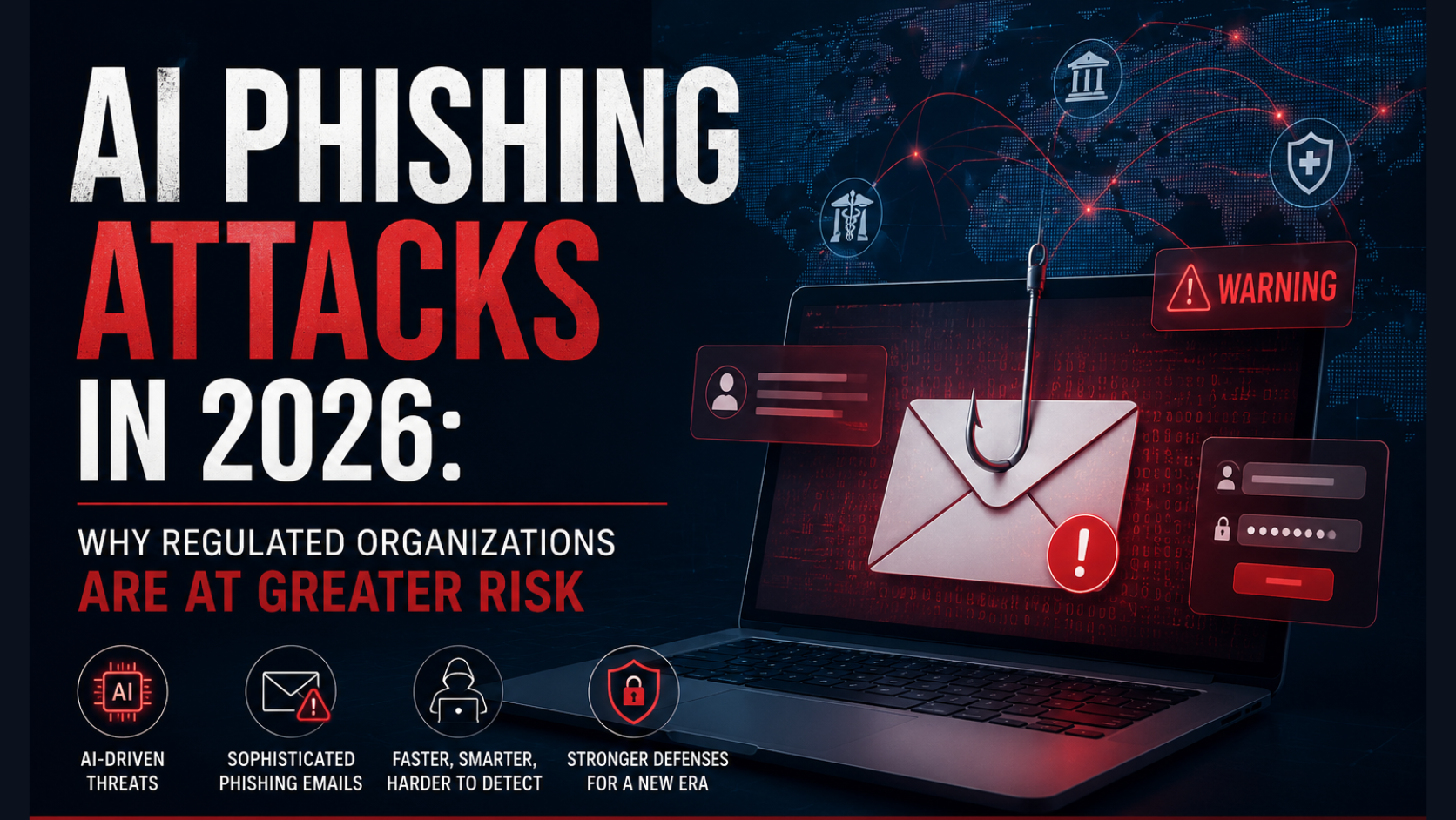
AI Phishing Attacks in 2026: Why Regulated Organizations Are at Risk
Phishing volume and sophistication have surged in 2026, driven by generative AI that lets attackers produce flawless, personalized lures at scale. Traditional email filters and “spot the typo” training can’t keep up.
-
Why Regulated Businesses Need Managed Security Services (MSSP) in 2026?
Executive Summary Managed Security Services Providers (MSSPs) deliver 24/7 threat monitoring, detection, and response capabilities that most organizations can’t build cost-effectively in-house. For regulated industries—credit unions, healthcare providers, government agencies, and wealth management firms—MSSPs have evolved from optional vendors to strategic necessities. This comprehensive guide explains what MSSPs actually do, who needs them, how to…
-
AV vs EDR vs MDR vs ITDR: What Regulated Organizations Actually Need in 2026
The Cybersecurity Tool Problem No One Talks About Here’s a conversation that happens more often than it should in boardrooms across financial services, healthcare, and government sectors: “Do we have antivirus?” the executive asks. “Yes,” the IT manager confirms. “Then we’re protected, right?” “…Sort of.” That “sort of” is where data breaches live. That hesitation…
-
Microsoft Defender vs Traditional Security Tools: What Actually Wins?
Every organization running Microsoft 365 faces the same question eventually: is the security baked into our Microsoft subscription actually protecting us — or are we spending money on tools we’ve already paid for while leaving real gaps open? It’s a fair question. And if you’re in a regulated industry — a credit union, a healthcare…
-
The AI That’s Too Dangerous to Release (And What It Means for Your Business)
A few weeks ago, Anthropic accidentally left nearly 3,000 unpublished internal files exposed on the public internet, no password required. Among those files was a draft blog post describing what the company called “by far the most powerful AI model we’ve ever developed.”
-
Google Proposed Device Bound Session Credentials To Prevent Session Theft – Will This Solve The Problem?
Google just rolled out something called Device Bound Session Credentials — DBSC for those who enjoy acronyms. But like most things that arrive wrapped in a press release, it’s worth taking a closer look before you decide whether to applaud or raise an eyebrow.
-
How to Build an Annual IT Budget: A Practical Guide for Regulated Organizations
Key Takeaways: Introduction: The Stakes of IT Budgeting in 2026 For leadership teams in regulated industries, such as financial services, healthcare, government, or higher education, an IT budget is far more than a spreadsheet of hardware costs. It is a strategic roadmap for risk management and operational continuity. In the 2026 threat landscape, a poorly…