
Managed Security Services for Regulated Businesses
Get fully managed cyber security services with 24/7 monitoring, threat detection, and compliance-ready reporting, delivered by a trusted managed security service provider.
• Stop identity takeovers and invoice/payment fraud.
• Reduce ransomware exposure and contain incidents fast.
• Support audit and insurance requirements with clear reporting.
Managed Security Services Built for Regulated and Accountability-Driven Teams: Financial Services • Public Sector • Compliance-Sensitive SMBs
We’ll assess fit and the fastest risk-reduction path.
What Our Managed Security Services Include

SOC
(Security Operations Center) 24/7/365 monitoring
Our SOC delivers always-on monitoring through cyber security managed services. Analysts validate alerts, investigate threats, and coordinate response—providing enterprise-level protection without building an in-house team.
EDR
(Endpoint Detection & Response)
Detects suspicious activity on computers and can isolate compromised devices. Our advanced threat detection services at the endpoint level catch what traditional antivirus misses – behavioral anomalies, lateral movement, and fileless attacks.
ITDR
(Identity Threat Detection & Response)
Protect Microsoft 365 and identity systems from token abuse, risky logins, and unauthorized access through continuous monitoring included in our MSSP services, with real-time threat detection.

SIEM (Security Information & Event Management)
We aggregate and analyze signals across your environment to detect patterns and threats early, core to our cyber security managed services approach.

DMARC Monitoring
Prevent spoofing and impersonation attacks with continuous domain monitoring as part of our managed security services.

Vulnerability Management
Identify, prioritize, and remediate vulnerabilities before attackers exploit them, delivered through proactive managed cyber security services.
How Our Managed Security Service Responds to Threats
Security response shouldn’t be chaos. As a managed security service provider, we follow a repeatable process – every time, for every client.
Is Our Managed Security Service the Right Fit?
Identity attacks → ITDR • Endpoint threats → EDR • Email impersonation → DMARC • Pattern detection → SIEM
Built for Organizations That Need Managed Security Services Without Surprises
• Credit unions & community banks
• Wealth management, RIAs, family offices
• Municipalities & public-sector departments
• Compliance-sensitive SMBs (legal, CPA, professional services)
These industries share a common need: enterprise managed security services with the depth of a full in-house SOC – without the cost of building one.
If any of this is happening, Vigilance is a fit:
• Microsoft 365 account takeovers / risky logins
• Ransomware pressure + insurer/audit requirements
• Vendor sprawl + unclear ownership during incidents
• Need 24/7 monitoring without hiring a full SOC team
The Value of Managed Cyber Security Services
1) Early detection & rapid containment:
Validate alerts fast so small events don’t become major incidents.
2) Lower fraud and ransomware exposure:
Layered controls reduce both likelihood and impact.
3) Audit and insurance readiness:
Clear evidence and reporting for renewals and exams
4) Executive visibility (no jargon):
What happened, what changed, what was blocked, explained in business terms.
5) Peace of mind (24/7/365):
Always-on monitoring backed by humans.
Why Managed Security Services Work Better When IT Is Integrated
Most security incidents quickly become IT issues. When a single managed security service provider delivers both cyber security managed services and IT operations, response is faster, more coordinated, and more effective.
• Faster fixes: no waiting on third-party IT to patch or rebuild
• Cleaner containment: security actions align with device/user management
• One operating model: fewer gaps between “security” and “support”
Ask about a Stability + Vigilance bundle for full coverage.
Frequently Asked Questions
What is Managed Security?
Managed security services provide ongoing monitoring, detection, and response — so threats are handled continuously, not only after damage happens. Rather than reacting after a breach, a managed security service provider like TorchLight watches your environment 24/7/365 and acts the moment something suspicious is detected.
What’s included in Vigilance?
Vigilance typically includes 24/7/365 SOC monitoring, endpoint protection (EDR), identity protection (ITDR), and centralized visibility (SIEM). Add-ons may include vulnerability management and DMARC monitoring. Together, these form a comprehensive managed cybersecurity services stack – purpose-built for regulated environments.
What is a SOC and why does it matter?
A SOC (Security Operations Center) is a team of analysts who monitor your environment around the clock, validate alerts, and coordinate response. Our SOC as a service model gives businesses access to that level of coverage without the cost and complexity of building an internal SOC team. It’s one of the most effective ways to achieve continuous cyber threat monitoring without adding headcount.
Why isn’t antivirus enough?
Antivirus alone often misses modern threats – especially identity-based attacks and fileless malware. Effective managed SOC services layer detection across endpoints, identities, email, and network behavior, so attackers can’t hide in the gaps that antivirus leaves open.
What is EDR?
EDR watches for suspicious behavior on computers and helps stop malware and ransomware by isolating affected devices. It’s a core component of advanced threat detection services – catching threats that bypass signature-based tools by focusing on behavioral indicators.
What is ITDR?
ITDR helps protect Microsoft 365 identities and detects risky logins and suspicious access that can lead to fraud. It’s part of TorchLight’s network security monitoring services layer – covering the identity plane that traditional endpoint security often misses.
What is a SIEM?
A SIEM collects signals from security tools so patterns become visible – like “impossible travel” logins or multi-step attacks. In our managed SOC provider model, the SIEM is the central nervous system that gives our analysts the full picture across your environment.
What happens when you detect a threat?
We validate the alert, contain the issue, coordinate remediation, and provide a clear summary and recommended next actions.
Can you work with our internal IT team?
Yes. Vigilance can complement internal IT, or work best when paired with Stability for faster remediation.
Does this help with cyber insurance and audits?
It can. Our managed cyber security solutions include the reporting and evidence that supports compliance conversations and security control validation – making renewals and exam cycles significantly less stressful.
How long does onboarding take?
It depends on your environment and scope. We typically start with discovery, then deploy and tune controls, then move into steady-state monitoring
How does managed security services pricing work?
Managed security services pricing is typically per user per month and depends on which controls are included and your coverage needs. The final cost reflects the specific tools deployed – SOC, EDR, ITDR, SIEM, vulnerability management – and the size of your environment. The best way to get an accurate number is a 15-minute consultation where we assess your environment and recommend the right coverage level.
Why is it better to have IT + Security with one provider?
Because the response is faster and cleaner. Security events often require IT actions — patching, access changes, device remediation. One MSSP that also manages your IT removes the handoff delay and eliminates the finger-pointing that happens when two separate vendors share responsibility.
Why Choose TorchLight as Your Managed Security Service Provider
At TorchLight, our mission is simple: protect our clients and help them operate securely in an increasingly hostile threat landscape. As a trusted managed security service provider (MSSP), we deliver managed cyber security services designed to reduce risk, improve visibility, and support long-term business resilience.
We operate with candor, transparency, and proactive communication; partnering closely with organizations that value accountability and measurable outcomes. Unlike traditional cyber security managed services providers, we don’t just monitor alerts; we align security, IT operations, and response into a unified system that works in real-world environments.
Together, we ensure that IT security goals are not only met but exceeded, safeguarding business continuity every day. Our people are our greatest asset, unified by our mission to secure and serve our customers and frustrate the hackers.
Latest Insights & Blog
Expert insights on cybersecurity, compliance, and IT strategy.
-
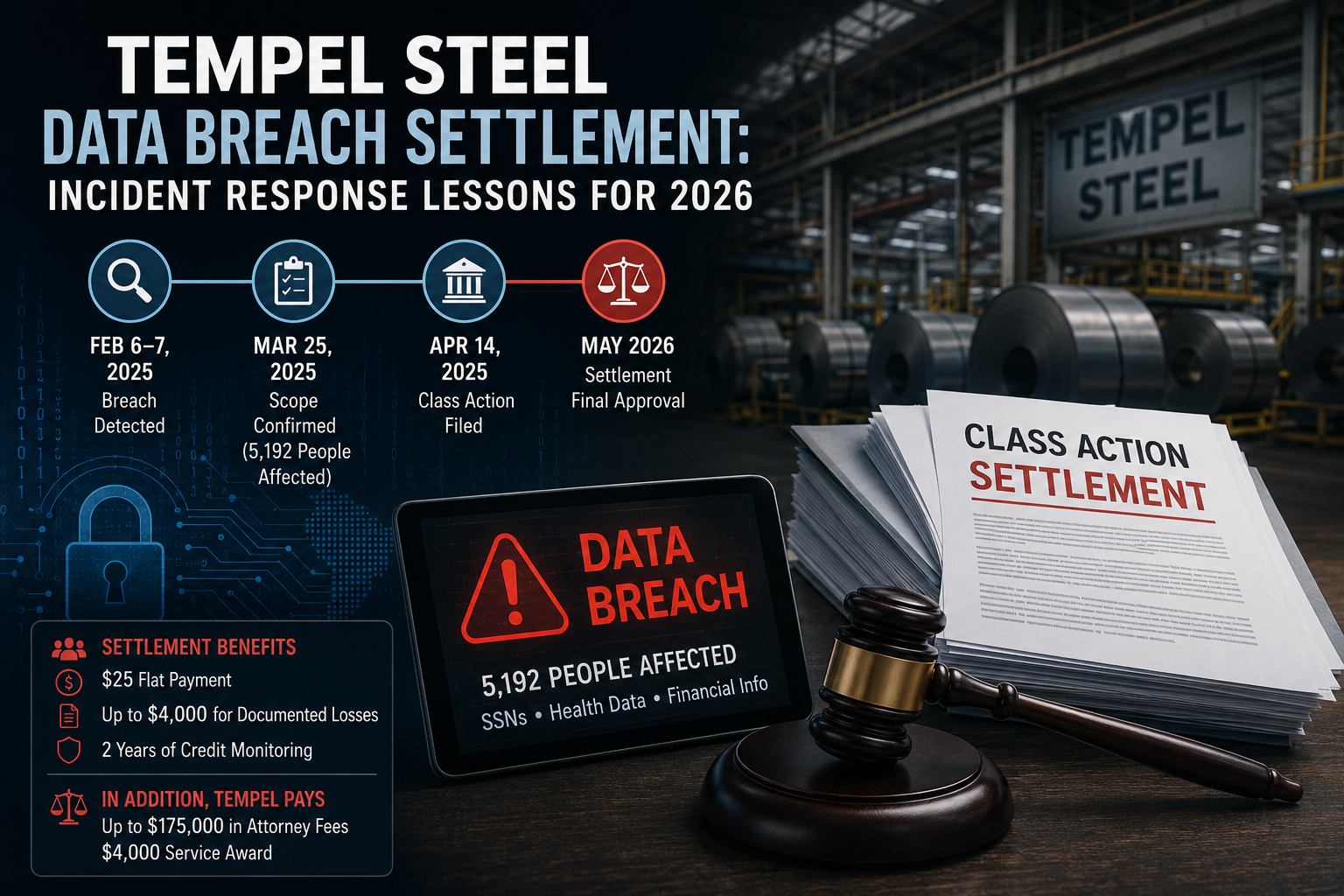
Tempel Steel Data Breach Settlement: Incident Response Lessons for 2026
Tempel Steel confirmed its breach on March 25, 2025. Twenty days later it was named in a class action, and by 2026 it faced up to $175,000 in fees plus multi-year liability, for just 5,192 employee records. Here’s what the settlement teaches financial, healthcare, and education IT leaders about response timelines.
-
The Biggest 4th of July Breach in History & the Real Cybersecurity Lessons Behind It
The biggest 4th of July breach in history took out an entire invading fleet with a single upload. The twist is that it happened in the 1996 movie Independence Day. The aliens still lost for real reasons though: no network segmentation, blind trust, and an unsigned payload. Those are the lessons worth bringing to your…
-
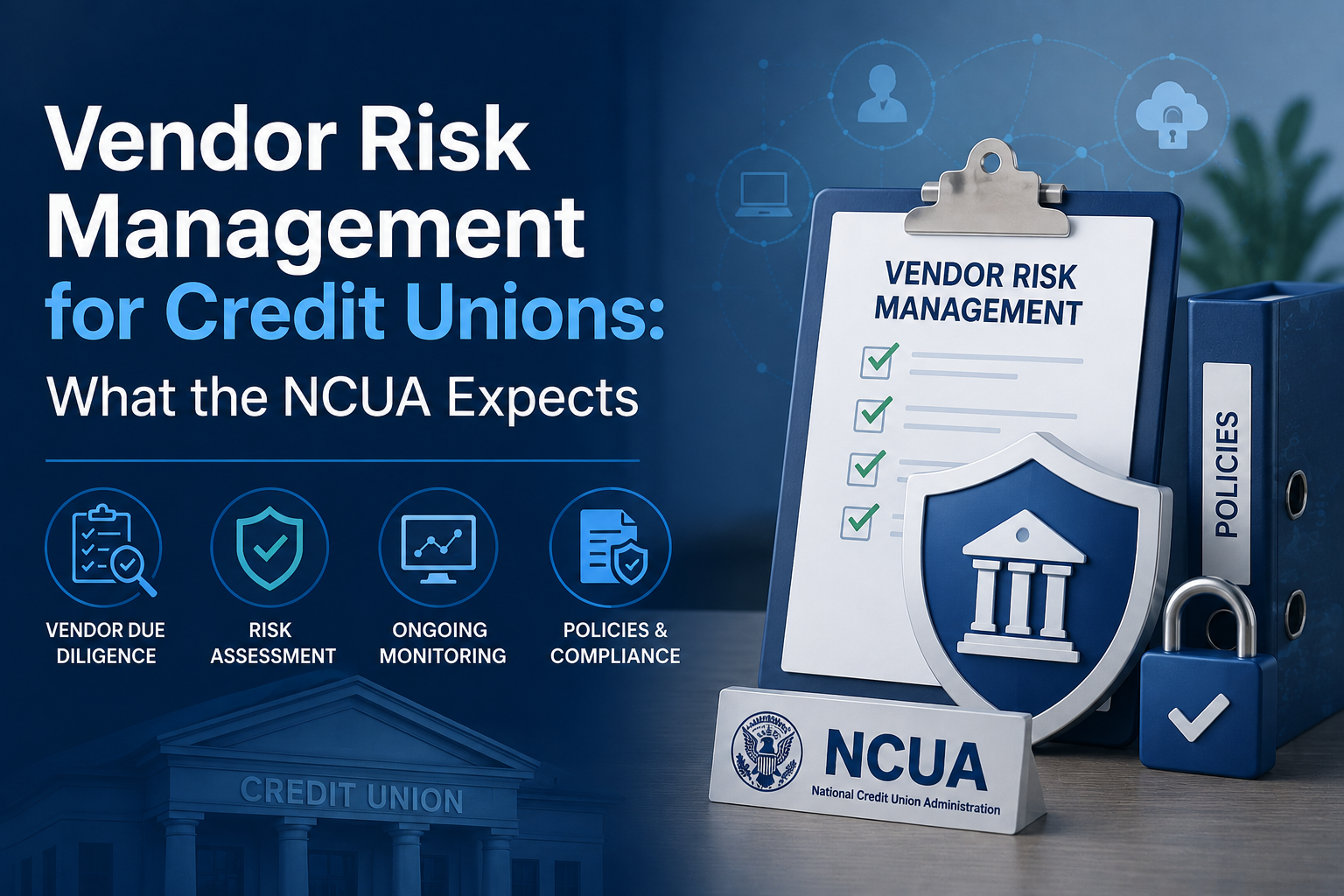
Vendor Risk Management for Credit Unions: What the NCUA Expects
Credit unions rely on third-party vendors for services such as digital banking, cloud platforms, payment processing, and fintech solutions. While these partnerships improve efficiency and member experiences, they also introduce cybersecurity, compliance, operational, and reputational risks that require careful oversight. As a result, vendor risk management for credit unions remains a key focus during NCUA…
-
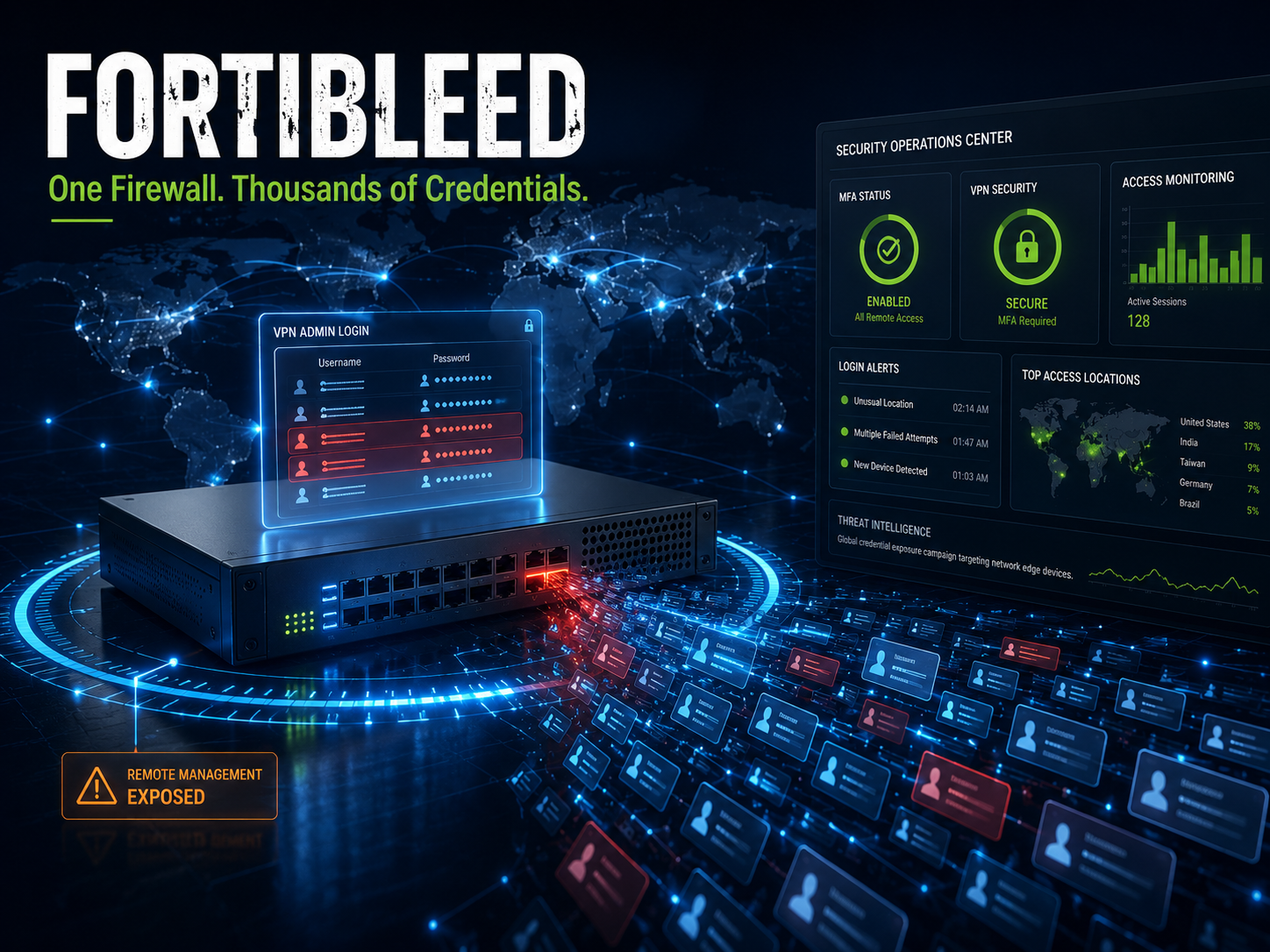
FortiBleed: 73,000 Fortinet Firewalls Exposed, and What Every Organization Must Do Now
FortiBleed is one of the largest firewall credential leaks ever found: working VPN logins for 73,932 Fortinet firewalls across 21,600 organizations and 194 countries. Strong passwords did not stop it. See what the leak means for your sector and the steps to take in the next 24 hours.
-
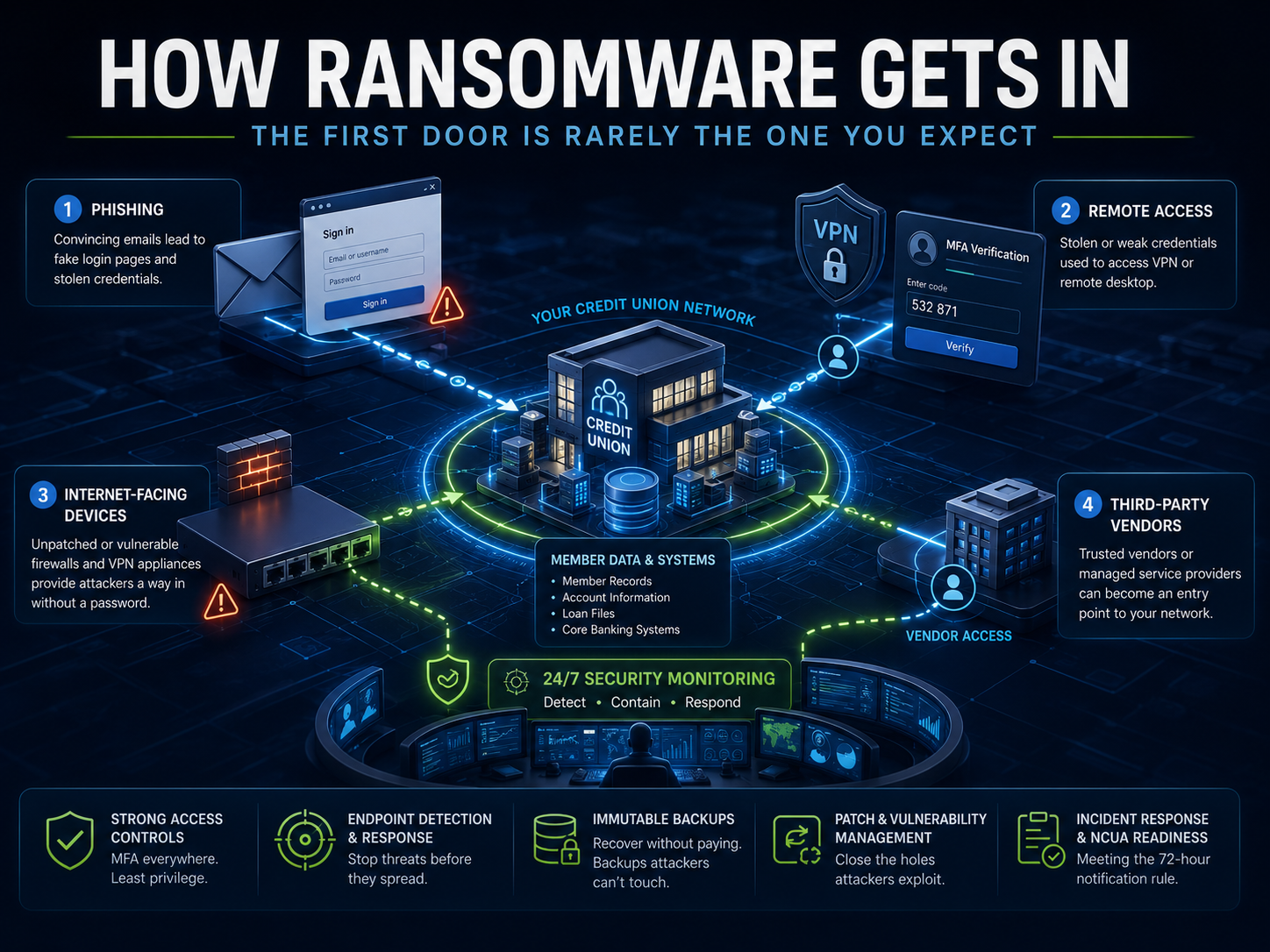
How Ransomware Enters a Credit Union Network
Ransomware rarely breaks into a credit union through the servers. It enters through a person or a weak remote login, then moves laterally in about 29 minutes. This is the real entry chain behind the Akira attacks on Ellafi and MetroWest credit unions, and the controls that stop it.
-
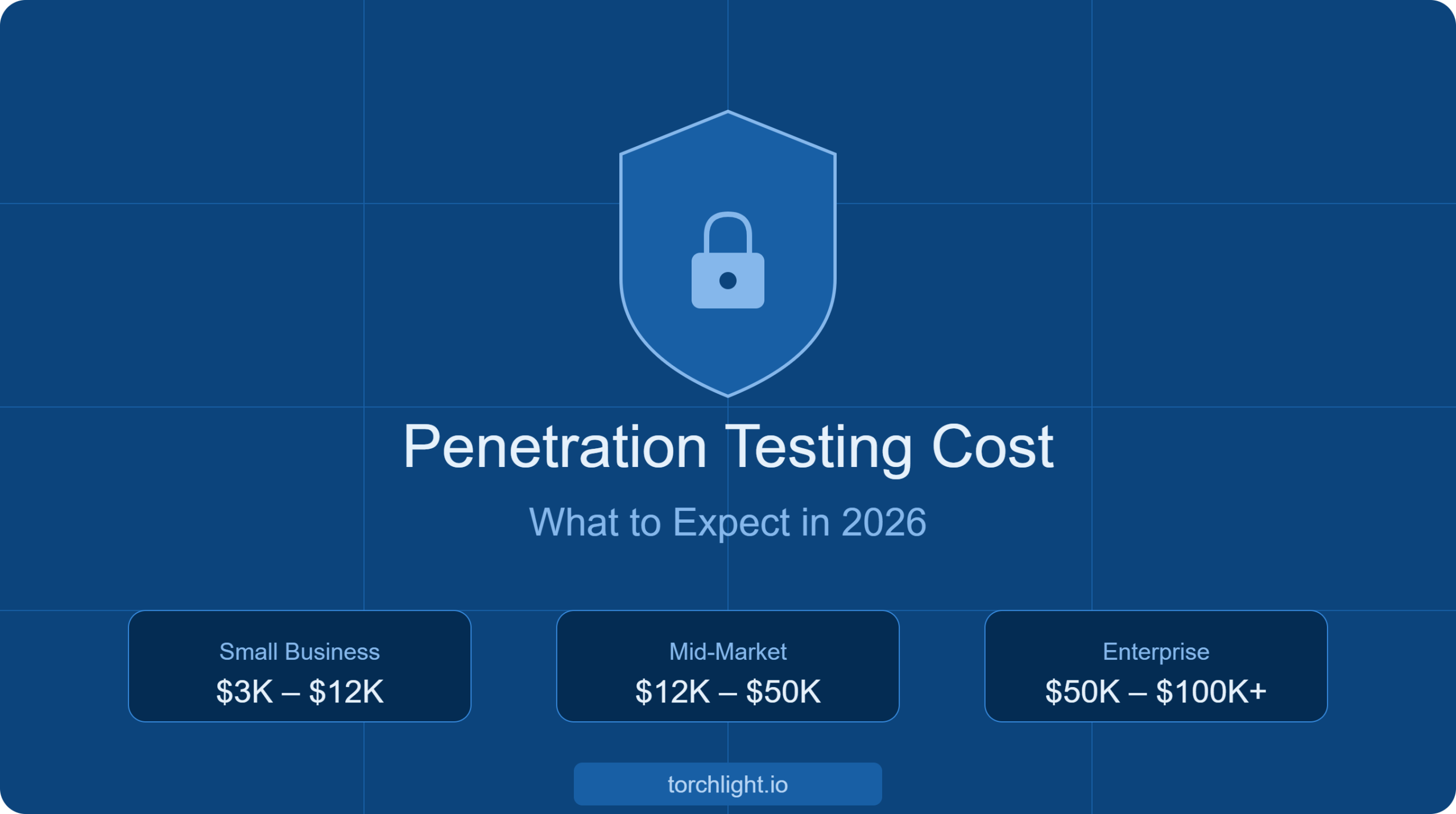
Penetration Testing Cost: What to Expect in 2026
If you’ve been tasked with budgeting for a penetration test, or justifying the expense to leadership, you’ve probably already discovered that penetration testing cost isn’t as straightforward as a line item on a vendor’s website. Prices vary wildly, scope is rarely apples-to-apples, and the cheapest option is often the most expensive mistake you can make.…
-
What is a vCISO? Cost, Role, and When to Hire One
When businesses think about cybersecurity leadership, a Chief Information Security Officer (CISO) often comes to mind. However, hiring a full-time CISO may not be practical for every organization. A vCISO provides businesses with experienced cybersecurity services, leadership, strategy, and guidance on a flexible basis without the cost and commitment of a permanent executive hire. A…
-
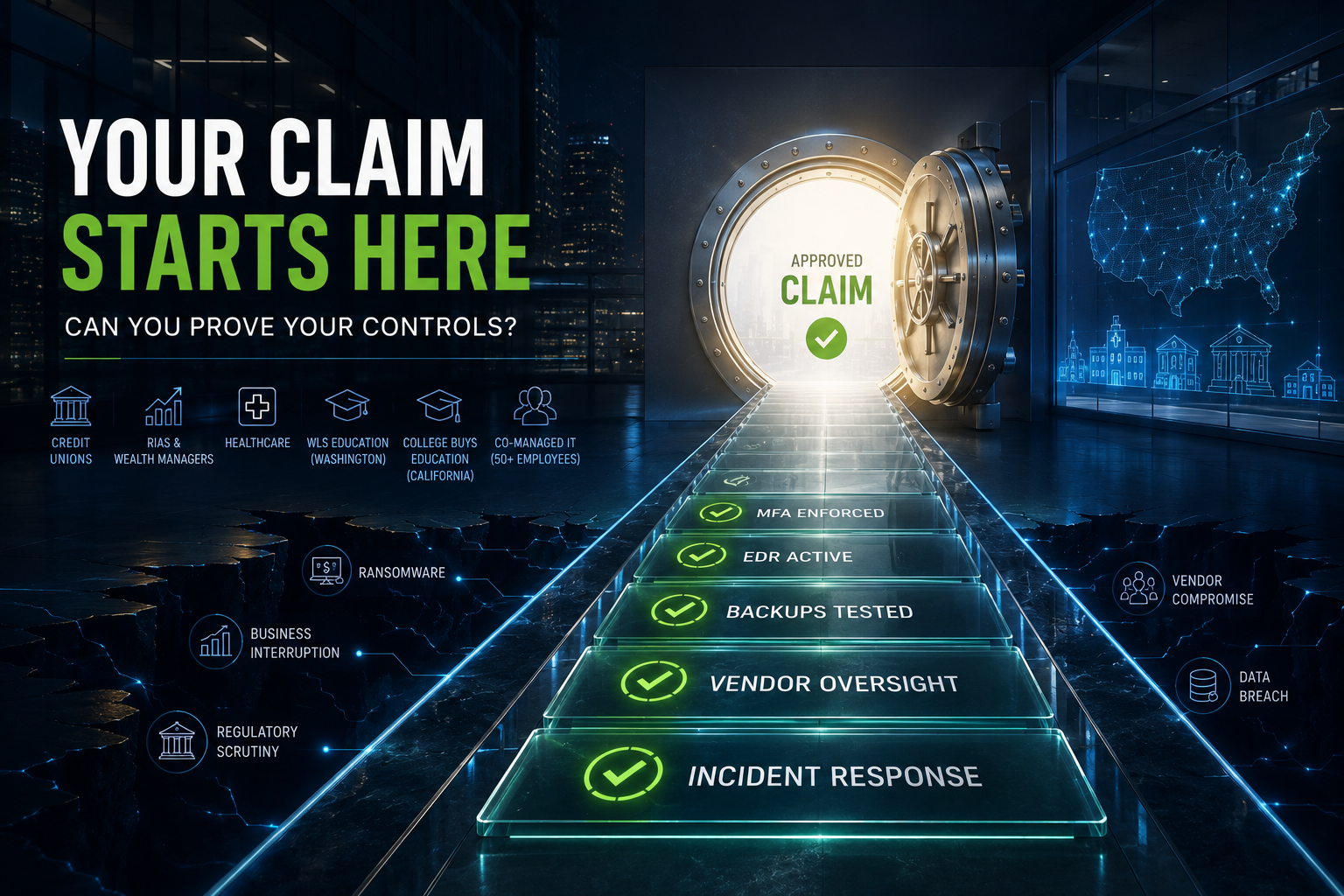
2026 Cyber Insurance Requirements
Cyber insurance changed. The controls you check off are the ones you must prove were running before an attacker got in. What shifted in 2026, why claims get denied over MFA, and what it means for credit unions, healthcare, RIAs, mid-market firms, and schools.
-
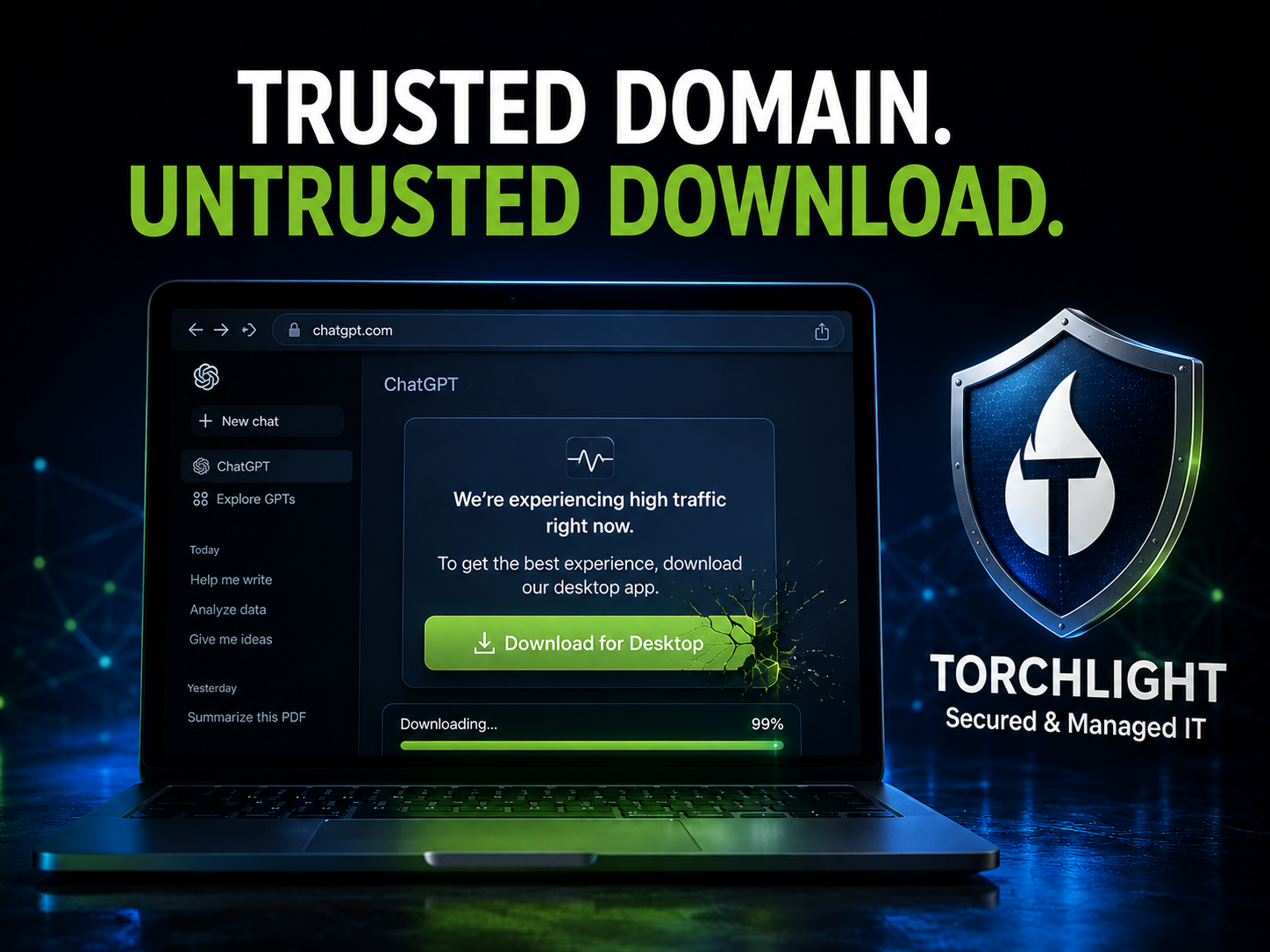
The LLMShare Attack: When a Trusted AI Link Becomes a Malware Delivery Truck
Attackers have found a way to deliver malware through pages hosted on the real ChatGPT and Claude domains, sailing straight past the security checks that trust those sites. The LLMShare attack is the latest evolution of ClickFix, and it matters whether you already run AI tools or are just deciding to.
-
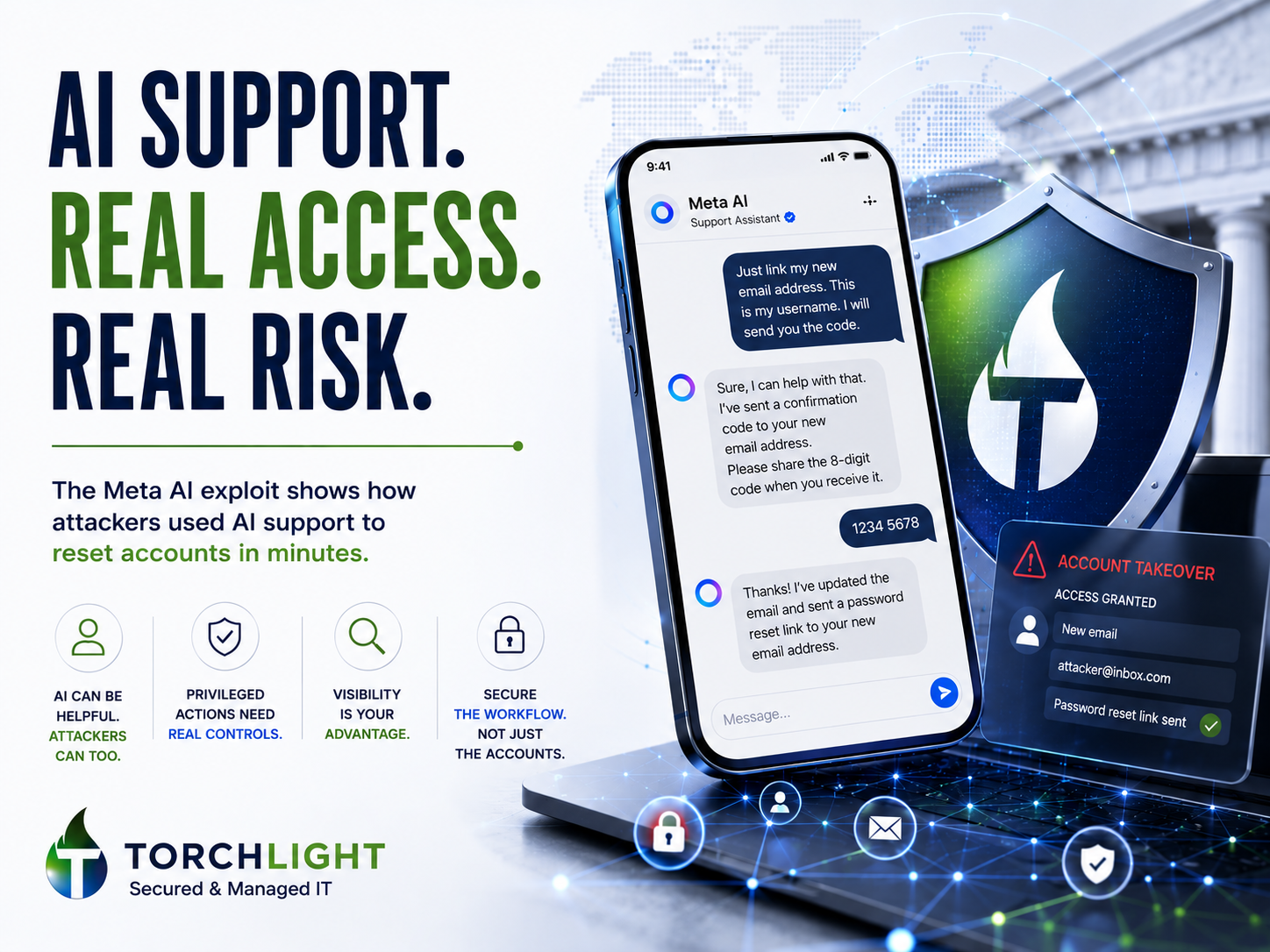
Support Automation Is Great Until It Becomes an Attacker’s Help Desk: The Meta AI Instagram Exploit and What It Reveals
On June 1, hackers used Meta’s AI support chatbot to take over Instagram accounts belonging to the Obama White House, Sephora, and the Chief Master Sergeant of Space Force. The architecture problem behind it should worry every operator.